

What to Do With an Old Kids' Bike
What to do with an old kids' bike depends on condition, fit and whether correct parts remain available. A bicycle that has been outgrown may still serve another rider after qualified inspection. One with structural damage, severe corrosion or an unresolved recall should not be donated as though it were ready to ride. Start by separating cosmetic wear from safety-critical condition.
Identify the bicycle
Record the brand, model, serial information and wheel size before cleaning away labels or replacing parts. Search the manufacturer's information and applicable recall database. If identity or recall remedy cannot be confirmed, get professional guidance before transferring the bicycle.

Inspect the safety-critical areas
Check frame and fork for cracks, bends and corrosion; inspect wheel retention, rims, spokes, tires, steering, saddle, pedals, drivetrain and every brake. Missing reflectors, damaged grips or worn tires can be service items. Structural uncertainty is not a do-it-yourself cosmetic project.
Decide whether service makes sense
Compare the cost and availability of approved parts with the bicycle's condition. A mechanic can help distinguish an economical tune-up from a bike that should be retired. Do not install incompatible parts simply to make a donation look complete.
Prepare a hand-me-down for its new rider
Service does not prove fit. Measure the next rider and confirm mounting, stand-over room, handlebar reach, brake reach and low-speed control. Include the manual and disclose repairs, falls and known issues. Reset the saddle only within marked limits.
Recycle responsibly when it cannot ride
Ask local bicycle programs or metal recyclers what they accept and how tires, tubes and accessories are handled. Remove personal labels and contact information. Do not leave an unsafe bicycle at the curb where someone may assume it is ride-ready.
How current product examples clarify the choice
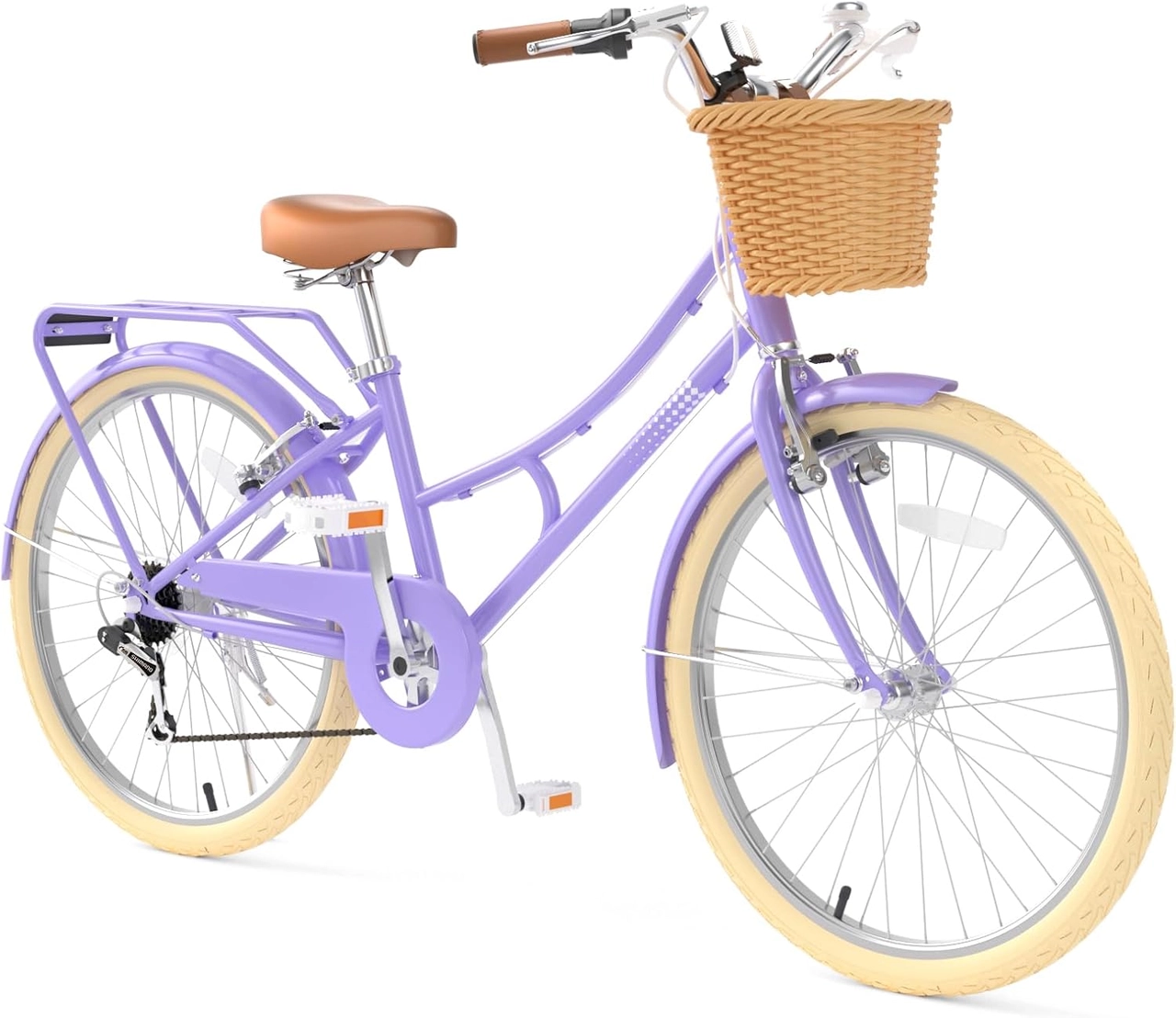
A current small blue training-wheel bike and 24-inch purple cruiser illustrate how a child may move through very different fit stages. Use live models only as replacement comparison points; the old bicycle's actual condition and the next rider's measurements decide whether service, transfer or recycling is responsible.
Practical checklist
- Record model and serial information.
- Check recalls and structural condition.
- Disclose all repairs when transferring.
- Confirm the next rider fits independently.
Frequently asked questions
Is rust always a reason to recycle a bike?
Surface rust and structural corrosion are different; a qualified inspection can determine whether safe service is possible.
Can I donate a bike with flat tires?
Ask the recipient's policy and disclose condition clearly. Never present an uninspected bicycle as safe to ride.
Before making the final choice, revisit the exact route or driving area at the time it will normally be used. A setup that works during a quiet test may need more room, visibility or adult support when other people and everyday obstacles are present.
Bottom line
Use the answer to what to do with an old kids' bike as a decision process, not a shortcut. Confirm the live product data and manual, match the rider to the controls and setting, and favor repeatable control over a larger size or higher performance label.
Bikes for your next adventure
-

Blue XJD Girls Bike with Training Wheels – 12/14/16 Inch
If you're shopping for a first pedal bike for a daughter roughly 3 to 8 years ol…$149
$169 -

26-Inch XJD Beach Cruiser Bike for Girls – Purple, V-Brake
This XJD 26-inch purple beach cruiser is sized for big kids and teens — suggeste…$218.49
$229.99 -
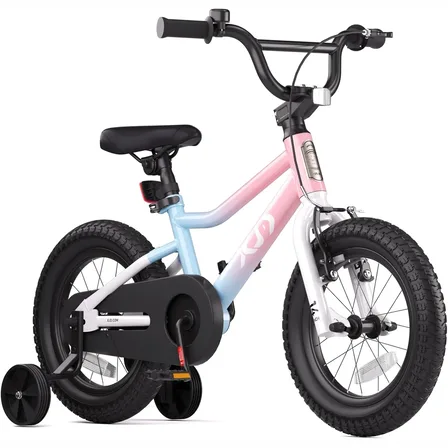
XJD Girls BMX Bike 12/14/16 Inch with Training Wheels – Pink Blue
The XJD Girls BMX Bike in Pink/Blue is built as a first pedal bike for kids roug…$99.99
$119.99