

When should a toddler get a bike
A toddler should get a bike when they can control a correctly fitted model—not simply when they reach a certain birthday. Measure height and inseam, then check stand-over clearance, reach, braking and confidence on the actual bike.
What readiness looks like
The right time arrives when the child can stay attentive, follow a simple stop instruction and keep the bike under control with close adult supervision. They should be able to get on and off without being lifted into position, hold the handlebar comfortably and look ahead while moving.
Confidence matters as much as physical size. A child who freezes, cannot steer predictably or cannot operate the available braking system needs more practice or a different fit. There is no benefit in forcing the transition because another child of the same age already rides.
Measure before comparing bikes
Measure the child without shoes. Record standing height, then measure the inseam from the floor to the crotch while the child stands upright. These measurements narrow the search, but neither proves that a particular frame will fit.
On the actual bicycle, confirm that the child can stand over it comfortably, reach the handlebar without stretching and turn it without losing balance. Check that the child can reach and operate the brakes supplied on that bike. Have them try the bicycle whenever possible; do not choose an oversized model merely to leave room for growth.
Use wheel size only as a starting point
XBikes uses the following age and height ranges as initial comparison points. Height is more useful than age, and the final decision still depends on inseam, stand-over clearance, reach, brake control and present confidence.
| Wheel size | Starting age range | Rider height |
|---|---|---|
| 12 Inch | 3–4 | 34–40 in / 86–102 cm |
| 14 Inch | 3–6 | 37–45 in / 94–114 cm |
| 16 Inch | 4–7 | 40–48 in / 102–122 cm |
| 18 Inch | 5–9 | 43–52 in / 109–132 cm |
| 20 Inch | 7–12 | 48–60 in / 122–152 cm |
For many children commonly described as toddlers, the 12 Inch or 14 Inch rows are the first ones worth checking. That is not an automatic recommendation: a child outside a row's height range, or unable to control the corresponding bike, should not be placed on it because their age appears to match.
How the supplied bike helps with comparison
The Girls' Training Wheel Bike by XJD, 12–20 Inch Wheels – Blue is offered with 12 Inch, 14 Inch, 16 Inch and 20 Inch SKU labels. Those choices let you compare several listed starting points against the child's measurements. The 12 Inch and 14 Inch options are the most directly relevant to typical toddler-age sizing; the 16 Inch and especially 20 Inch options correspond to taller, generally older riders under the XBikes standard. They are distinct sizes, not interchangeable fits.

The product title and wheel labels do not establish that the bike fits your child. Compare only the exact selected size, and arrange an individual fit check. No 18 Inch option is supplied for this product, so if measurements point toward 18 Inch, the listed sizes are comparison points rather than substitutes for that size.
Run a short control check
Before deciding, use a flat, traffic-free practice area and close adult supervision. Check the following in sequence:
- Ask the child to mount and dismount without struggling.
- Confirm a comfortable standing position over the bike.
- Watch for relaxed arms and easy handlebar reach.
- Have the child steer both directions at walking pace.
- Confirm that they can operate the bike's brakes and stop on instruction.
If any step requires stretching, tiptoe balancing, excessive effort or repeated adult intervention, pause the purchase or try another size. Training wheels may provide lateral support, but they do not correct poor reach, excessive size or lack of braking control.
Prepare for the first rides
Use a bicycle helmet that fits properly, sits level and has its straps adjusted according to the helmet manufacturer's instructions. Choose a controlled area away from vehicles, slopes and obstacles, and keep the first sessions brief enough that fatigue does not undermine control.
Inspect and assemble the bicycle exactly as its product manual directs. Because no product-specific assembly procedure, torque values, load limit or maintenance schedule is supplied here, follow the exact manual or ask a qualified bicycle mechanic rather than estimating.
Make the decision now
Measure height and inseam today, compare the result with the wheel-size starting points, and then test stand-over, reach, braking and confidence on the exact size. Get the toddler a bike only when all of those checks work together; otherwise, wait and remeasure rather than buying ahead for growth.
Bikes for your next adventure
-

Pink Girls' 12/14/16" Bike by XJD – Basket & Doll Seat
The XJD Pink Girls' Bike with Basket & Doll Seat is made for riders 71–122 cm ta…$75.99
$99.99 -

Black XJD Toddler Bike Helmet, Adjustable – Kids' Protective Helmet
The XJD Toddler Bike Helmet in black is an adjustable protective helmet for kids…$20.39
-
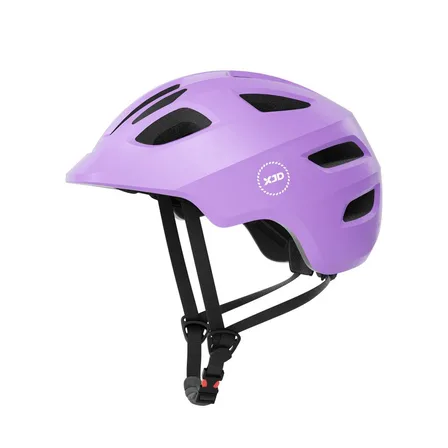
Girls' Bike Helmet from XJD – Purple
The XJD kids bike helmet in purple is a multi-sport helmet built for toddlers an…$59.99
$49