

When should kid ride bike
A child should ride a bike when they can control it confidently and a correctly sized bicycle fits their height, inseam, reach and brake control.
Use readiness and fit, not a birthday alone
Age can provide a starting point, but it cannot decide whether a child is ready. Before riding, the child should be willing to participate, able to follow simple directions and able to steer, stop and remain aware of their surroundings. Hesitation or inconsistent control is a reason to practise in a simpler setting, not to move to a larger bicycle.
Measure the child’s current height and inseam, then compare those measurements with the bicycle itself. Have the child try the bike whenever possible. They should be able to stand over it appropriately, reach the handlebar without stretching and operate the brakes reliably. Do not choose an oversized bike merely to leave room for growth.
Compare the rider with these starting points
The XBikes ranges below narrow the search, but they do not replace an individual fit check. Where age and measured height suggest different sizes, prioritize height and then confirm inseam clearance, reach, brake access and present confidence.
| Wheel size | Starting age | Rider height |
|---|---|---|
| 12 Inch | 3–4 | 34–40 in / 86–102 cm |
| 14 Inch | 3–6 | 37–45 in / 94–114 cm |
| 16 Inch | 4–7 | 40–48 in / 102–122 cm |
| 18 Inch | 5–9 | 43–52 in / 109–132 cm |
| 20 Inch | 7–12 | 48–60 in / 122–152 cm |
| 24 Inch | 10–14 | 54–64 in / 137–163 cm |
| 26 Inch | Youth and adults | Over 60 in / 153 cm |
Because several ranges overlap, the table may leave two plausible choices. That is expected. Compare both sizes with the child rather than automatically selecting the larger one.
Perform a practical fit and control check
Use the following sequence before deciding that the child should ride that bicycle:
- Stand-over: Ask the child to straddle the bike while standing. Confirm appropriate clearance and a stable stance.
- Starting position: Check that the child can get into a riding position without struggling or relying on an adult to hold the bicycle upright.
- Reach: The handlebar should be reachable without an exaggerated stretch or loss of comfortable steering control.
- Brake access: Have the child demonstrate that they can reach and operate the fitted brakes consistently.
- Low-speed control: In a suitable practice area, look for controlled starting, steering and stopping rather than speed.
If the child cannot complete these checks, do not treat the age range as permission to ride. Try another size or allow more practice and reassess.
When the supplied bicycle is relevant
The XJD Kids Beach Cruiser Bicycle, Rear Rack & V-Brakes, Mint Green is listed in 20 Inch, 24 Inch and 26 Inch options. It becomes relevant only when the child’s measured height first points toward one of those wheel-size ranges and an actual fit check confirms stand-over, reach, brake control and confidence. Its listed rear rack and V-brakes describe this catalog option, but they do not establish fit by themselves.
These particular catalog options help answer when a child should ride by providing 20-, 24- and 26-inch comparison points for taller children and youth after measurements have narrowed the likely size.

This product is not relevant for a rider whose measurements and control indicate a 12-, 14-, 16- or 18-inch bicycle. The available larger sizes are not substitutes for those smaller wheel sizes, and moving up early for future growth conflicts with a proper-fit decision.
Prepare the bicycle and helmet
Before every ride, use a bicycle helmet that fits the child properly. It should sit level, with its straps adjusted according to the helmet manufacturer’s instructions. A helmet cannot correct a bicycle that is too large or difficult for the child to control.
Assembly and maintenance details can vary. Follow the exact bicycle manual for setup, adjustments, compatibility, load limits and torque requirements. If the manual is unavailable, an instruction is unclear or the brakes and controls cannot be set for dependable use, ask a qualified bicycle mechanic rather than inventing a procedure.
Make the decision today
Measure height and inseam now, identify the likely wheel-size range, and have the child try that size. Approve the ride only when they can stand over the bicycle, reach the controls, operate the brakes, steer and stop with current confidence. If any check fails, choose a better-fitting size or postpone riding that bicycle and reassess after more practice.
Bikes for your next adventure
-

XJD Kids Bike for Girls – Pink, 12/14/16/20 Inch with Training Wheels
The XJD Kids Bike for Girls in Pink is a training-wheel bike built to carry your…$139
$159 -

Blue XJD Girls Bike with Training Wheels – 12/14/16 Inch
If you're shopping for a first pedal bike for a daughter roughly 3 to 8 years ol…$149
$169 -
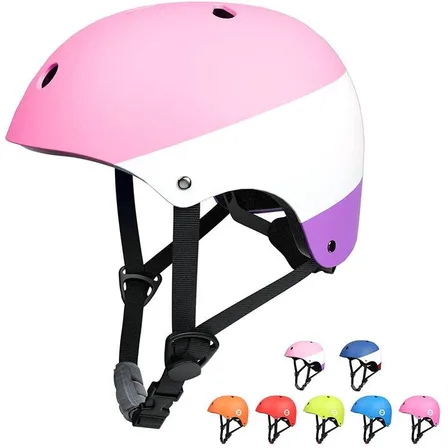
XJD Kids Bike Helmet for Boys & Girls, B White / Pink White
The XJD Kids Bike Helmet covers a wide age range — suggested for ages 2 through …$59.99