

Boys vs Girls Bikes: Is There a Real Difference?
Boys vs girls bikes are often separated by color, graphics or a traditional top-tube shape, but those labels do not determine who can ride a bicycle. The useful differences are measurable: stand-over height, reach, saddle range, handlebar position, weight, brakes and gearing. Any child can choose the model that fits their body, ability and route.
Ignore color as a fit measurement
Pink, blue and neutral finishes do not change wheel compatibility or rider proportions. Let the child choose a design they enjoy after narrowing by measurements. A preferred color on an oversized frame is not a better choice than a comfortable bicycle from another catalog label.

Compare frame geometry
Traditional higher top tubes and lower or step-through shapes can change mounting and stand-over room, but geometry varies within every category. Measure the actual frame. Do not assume every girls bike is lower or every boys bike has a longer reach.

Check controls and components
Brake type, lever reach, gears, training wheels, baskets and racks belong to the exact model, not a gender. Select these features for the rider's skill and route. Accessories can add weight or change steering, so they should be evaluated independently.

Run the same fit test for every child
Measure height and inseam, confirm flat-footed stand-over room and set the saddle within limits. The rider should turn without knee interference and operate every brake from a normal grip. Use identical standards regardless of the product-page label.
Plan for reuse without labels
When handing a bicycle to a sibling, inspect and fit it again. Remove assumptions based on its original marketing category. Condition, current dimensions and demonstrated control decide whether reuse is appropriate.
How current product examples clarify the choice
The light-pink basket bike, blue boys bike and mint cruiser show different colors, frame presentations and accessories on XBikes. They are useful comparison points, but none is restricted by gender; the correct selection is the option that passes the individual fit and control checks.
Practical checklist
- Measure rather than use gender labels.
- Compare exact frame geometry.
- Choose controls for skill and route.
- Refit before sibling reuse.
Frequently asked questions
Can a girl ride a boys bike?
Yes, when the exact bicycle fits and the rider can control it.
Are step-through frames only for girls?
No. Easy mounting can benefit many riders, and fit is individual.
Before making the final choice, revisit the exact route or driving area at the time it will normally be used. A setup that works during a quiet test may need more room, visibility or adult support when other people and everyday obstacles are present.
Bottom line
Use the answer to boys vs girls bikes as a decision process, not a shortcut. Confirm the live product data and manual, match the rider to the controls and setting, and favor repeatable control over a larger size or higher performance label.
Bikes for your next adventure
-

XJD Boys 12/14/16" Training Wheel Bike – Blue
The XJD Boys Bike in Blue is a training wheel bike for riders 71–122 cm tall—rou…$169
$199 -
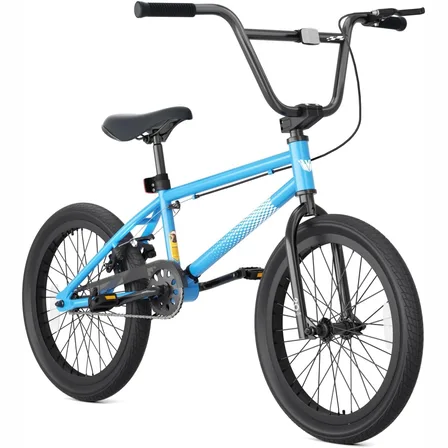
Blue XJD Freestyle BMX Bike, 20-Inch – No Pegs
The XJD 20-Inch Blue Freestyle BMX is an entry-level BMX bike for boys and girls…$189.99
-
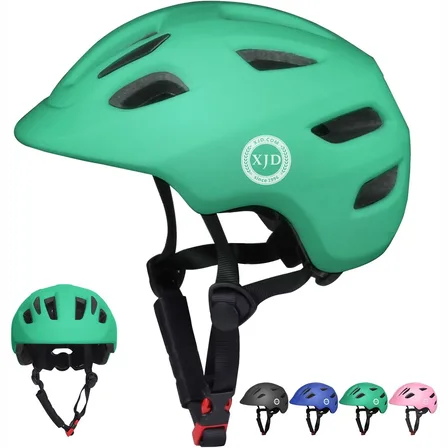
Green XJD Toddler Bike Helmet with Adjustable Fit, XS (46–51 cm)
The XJD toddler bike helmet in Green is built for the youngest riders — the size…$20.39
$23.99