

Wheelbase on a Kids Bike: What Does It Mean?
Wheelbase on a kids bike is the horizontal distance between the front and rear wheel axles. Parents may encounter the measurement when comparing different frame styles, but it is only one part of bicycle geometry. A shorter or longer wheelbase can influence how a bike feels in a turn, yet tire size, steering geometry, rider position and the child's skills also play important roles.
Measure the right distance
Wheelbase is measured axle center to axle center with the bicycle on level ground. It is not the same as wheel diameter, total bicycle length or the distance from saddle to handlebar. Product pages do not always publish it, and estimating from a photo is unreliable. If a comparison depends on an exact number, obtain the manufacturer's geometry chart for the selected size rather than guessing.

Understand the handling tradeoff without oversimplifying
A longer wheelbase is often associated with a calmer straight-line feel, while a shorter one can contribute to quicker response, but no single number predicts the whole ride. Frame angles, fork offset, tires, bar width and weight distribution change the result. Do not label one geometry automatically 'safer' for a child. Watch how the rider starts, steers and stops on the actual bike.

Compare purpose and fit first
The XJD mint-green beach cruiser and blue 20-inch freestyle BMX are different styles. Their pages give actual wheel-size and use context, but do not publish a verified wheelbase for every selected option. Therefore they are examples of why bike purpose may prompt a geometry question, not proof that one has a particular axle spacing. Fit, control reach and intended use should narrow the selection before a geometry comparison.
Use a simple test ride
With the right size and assembly confirmed, have the child ride a straight line, make two wide turns and stop at a marker in a protected flat space. Look for relaxed steering, no overreaching and a predictable stop. If the front end feels twitchy or the child struggles to turn, ask a qualified shop to check setup and sizing. Changing tire pressure outside the prescribed range or adding unsupported parts is not a geometry fix.
How the current product examples fit
The two XJD examples represent distinct riding purposes without inventing an unpublished wheelbase measurement. Compare the current pages for their real specifications, then seek geometry data only if it will change a fit decision. See XJD Kids Beach Cruiser Bicycle, Rear Rack & V-Brakes, Mint Green, Blue XJD Freestyle BMX Bike, 20-Inch – No Pegs for the exact current options and specifications.
Quick checklist
- Use axle-center distance, not wheel size.
- Do not infer geometry from photos.
- Confirm size and control reach first.
- Test starts, turns and stops.
- Ask for a geometry chart when exact numbers matter.
Common questions
Is a longer wheelbase always easier for a child?
No. Overall frame geometry and the child's fit determine control; a longer number alone cannot guarantee easier riding.
Do two 20-inch bikes have the same wheelbase?
Not necessarily. Wheel diameter does not fix frame geometry, so check the exact models if the measurement matters.
Explore related guides
Use the kids-bike collection and beach-cruiser collection to compare other suitable configurations without assuming every model has the same features.
Bottom line
Wheelbase helps explain geometry, but a child's comfortable fit and repeatable control are better buying tests than a single frame number.
Bikes for your next adventure
-
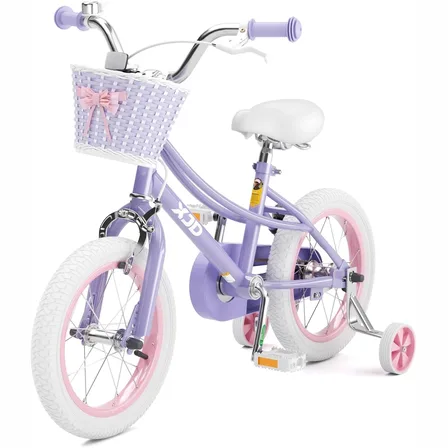
Girls' Training Wheel Bike by XJD with Basket – Purple
If you're shopping for a first bike for a girl roughly 3 to 12 years old (91–152…$75.99
-

XJD Pink Beach Cruiser for Girls – Rear Rack & V-Brake
The XJD Pink Beach Cruiser for girls is the step-up bike for riders who've outgr…$179.99
$209.99 -

Green XJD Toddler Bike Helmet with Adjustable Fit, XS (46–51 cm)
The XJD toddler bike helmet in Green is built for the youngest riders — the size…$20.39
$23.99