

Kids Bike Tire Tread: Smooth vs Knobby for Everyday Riding
Kids bike tire tread is worth noticing because it is the part of the bicycle that actually meets the route. Smooth or lightly patterned tires suit many dry paved rides, while more pronounced knobs can offer different traction on loose dirt. Neither pattern makes a child safe on every surface. The tire's width, construction, pressure and compatibility with the frame matter alongside the visible tread.
Choose the surface before the pattern
Write down where most rides happen: neighborhood pavement, a hardpacked park path, loose gravel or dirt. REI's tire guidance distinguishes low-tread road designs from more open knobs for loose or muddy ground. Children learning starts and stops usually benefit from a predictable flat route rather than a more aggressive tire marketed for terrain they rarely visit.

Do not judge grip by appearance alone
A chunky-looking tire may still be wrong for the exact conditions, and worn knobs may no longer perform as intended. Inspect the actual tire sidewall, wear, cracks and embedded debris. Inflate within the tire and rim limits for the rider and route, following the maker's guidance. More pressure is not always better, and a tread swap cannot fix poor braking or a rider who has not learned to turn.

Compare two different bike purposes
The XJD mint-green beach cruiser is described for paved and urban routes and comes in several wheel sizes. The blue 20-inch XJD freestyle BMX listing describes wide, grippy tires and a different riding purpose. The examples illustrate why a parent should compare the chosen bike's intended use and mounted tire rather than treating all kids' tires as equivalent. Neither page makes a blanket performance promise for wet roads or deep gravel.
Check replacement compatibility carefully
The new tire must match the rim diameter and a width the bicycle can safely clear at the frame, fork, brake and any fenders. Be skeptical of a tire that only 'looks close' or promises every terrain. If swapping tread styles, have a bicycle mechanic confirm sizing and installation, then test braking and handling on flat ground before returning to normal rides.
How the current product examples fit
These two XJD bikes make the surface decision concrete: a pavement-oriented cruiser and a freestyle BMX with different listed tire character. Use their live pages to inspect the selected configuration rather than buying from a generic tread label. See XJD Kids Beach Cruiser Bicycle, Rear Rack & V-Brakes, Mint Green, Blue XJD Freestyle BMX Bike, 20-Inch – No Pegs for the exact current options and specifications.
Quick checklist
- Identify the usual riding surface.
- Inspect tire sidewall and wear.
- Use a permitted pressure range.
- Confirm rim and frame clearance before changes.
- Practice braking after any tire swap.
Common questions
Are knobby tires safer on pavement?
Not universally. Match the tire to the conditions and the bicycle's approved use; tread alone does not determine safety.
Can any 20-inch tire fit a 20-inch kids bike?
No. Tire dimensions and rim standards vary, and width must clear the frame and brakes. Verify exact compatibility.
Explore related guides
Use the kids-bike collection and beach-cruiser collection to compare other suitable configurations without assuming every model has the same features.
Bottom line
Pick tread for the route the child actually rides, then verify the exact tire size, pressure and installation. A controlled ride matters more than a dramatic pattern.
Bikes for your next adventure
-
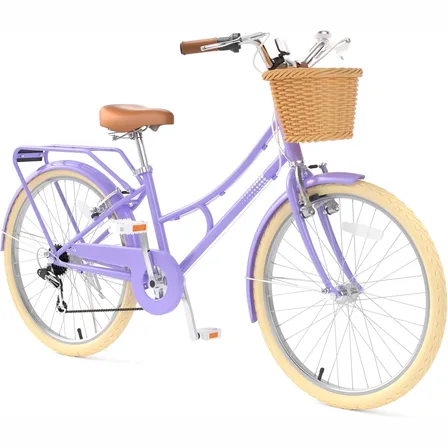
24-Inch Purple XJD Beach Cruiser Bike with U-Brake
The XJD 24-Inch Purple Beach Cruiser is built for girls and young women roughly …$159.99
-

26-Inch XJD Beach Cruiser Bike for Girls – Purple, V-Brake
This XJD 26-inch purple beach cruiser is sized for big kids and teens — suggeste…$218.49
$229.99 -
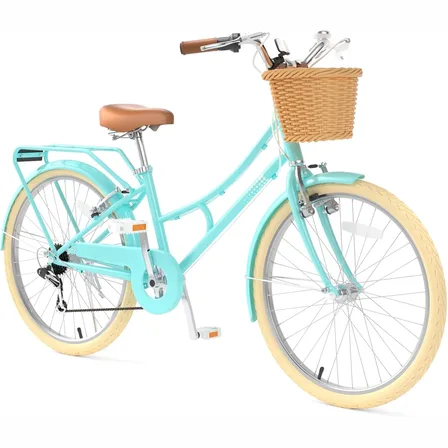
XJD 24-Inch Green Beach Cruiser Bike with U-Brake
This XJD 24-inch beach cruiser in green is made for riders about 4'8" to 5'4" ta…$159.99
$199.99