What age do kids take training wheels off bikes
There is no single age when kids should take training wheels off. Remove them when the child fits the bike, controls it confidently and is ready to practise balance.
Readiness matters more than a birthday
Age can suggest a starting wheel size, but it does not show whether a child can balance, steer or stop independently. Two children of the same age may be ready at different times. A child who still depends heavily on the training wheels should keep using them while building control; a child who rarely loads either wheel may be ready for a supervised attempt without them.
Ask the child, too. Interest and confidence make practice more productive. Reluctance is a reason to wait and try again later, not to move to a larger bicycle or force the transition.
Measure and check the current bike
Measure the child's standing height and inseam, then have the child try the actual bicycle. The bike should not be bought oversized for growth. Check that the rider has suitable stand-over clearance, can reach the handlebar without stretching, can turn the bars while remaining controlled, and can operate the brakes comfortably.
Use XBikes wheel-size ranges only as starting points:
| Wheel size | Starting age | Rider height |
|---|---|---|
| 12 Inch | 3–4 | 34–40 in / 86–102 cm |
| 14 Inch | 3–6 | 37–45 in / 94–114 cm |
| 16 Inch | 4–7 | 40–48 in / 102–122 cm |
| 20 Inch | 7–12 | 48–60 in / 122–152 cm |
These overlapping ranges show why age alone cannot decide either bicycle fit or training-wheel removal. Prioritize measured height, inseam, reach, brake control and the child's current confidence.
Signs it may be time to try
- The child starts, pedals and steers predictably with close adult supervision.
- The rider can slow and stop using the bicycle's controls without losing composure.
- The child keeps a steady line instead of repeatedly leaning onto one training wheel.
- The rider understands where to look and can avoid simple obstacles in a clear practice area.
- The child wants to try riding without the supports.
These are practical observations, not a pass-or-fail test. If reach, braking or fit is poor, correct that problem before treating wobbling as a lack of ability.
How to make the first attempt
- Choose a flat, open area away from traffic, parked vehicles and other hazards.
- Fit a bicycle helmet so it sits level and secure the straps according to the helmet manufacturer's instructions.
- Confirm that the bicycle is correctly assembled and functioning before practice.
- Keep sessions short enough that the child remains attentive and willing.
- If the rider cannot start, steer or stop with control, restore the appropriate support and practise again later.
Training-wheel removal and bicycle maintenance are different tasks. For the exact removal, adjustment and reinstallation procedure, follow the bicycle's product manual or use a qualified bicycle mechanic. Do not guess at compatibility, hardware arrangement or torque.
When the catalog option is relevant
The Pink 12/14/16/20" XJD Girls Bike with Training Wheels & Basket is relevant when a family needs a training-wheel bicycle and one of its available 12 Inch, 14 Inch, 16 Inch or 20 Inch labels aligns with the child's measurements. Its size choices help compare a child's current fit with the XBikes starting ranges; they do not determine when that child is ready to remove training wheels.
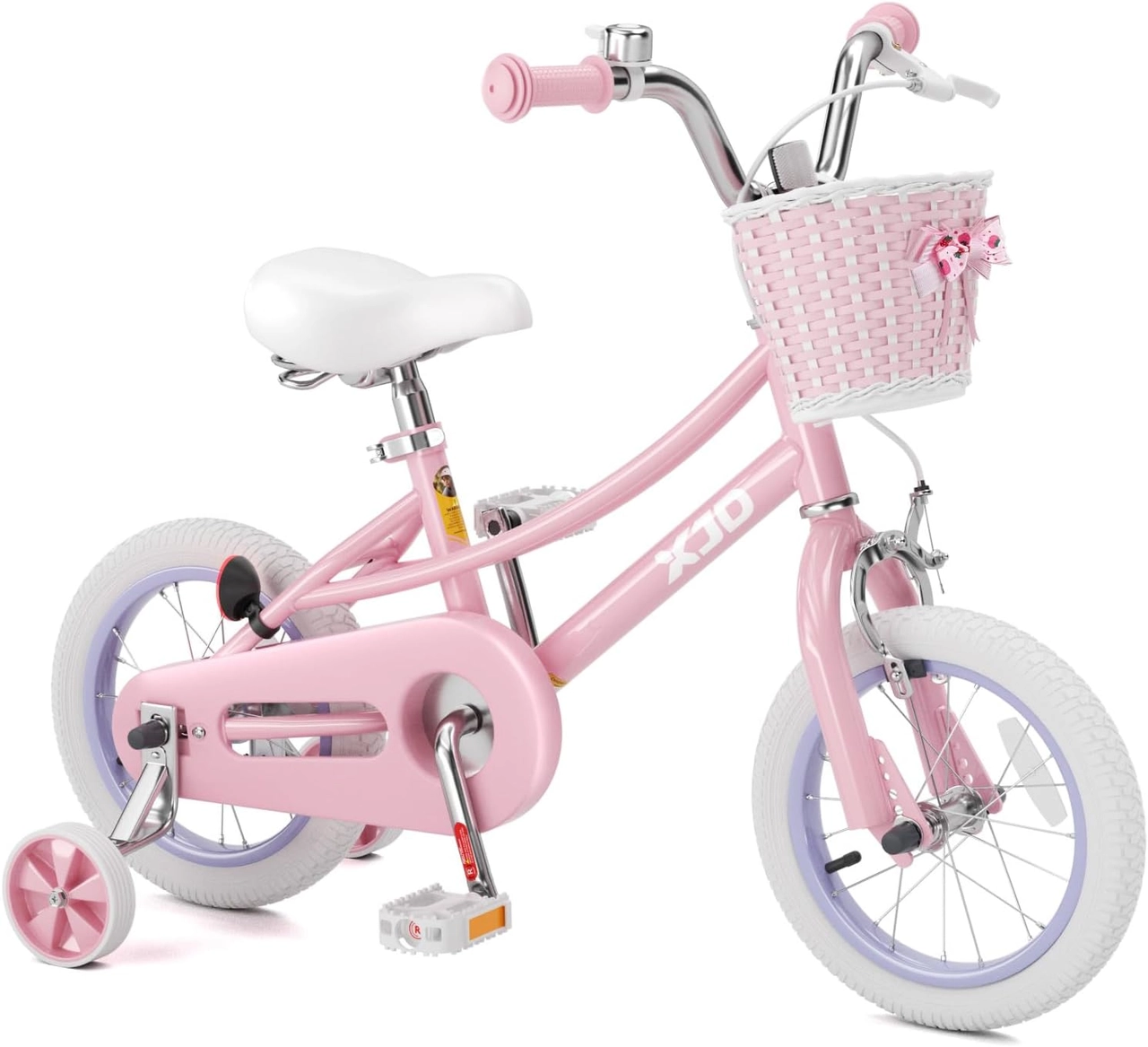
Choose among those labels only after an individual fit check. The supplied catalog facts do not establish brake type, training-wheel compatibility between sizes, assembly details, load limits or removal instructions, so consult the exact product manual or a qualified bicycle mechanic for those points.
Make the decision
Take the training wheels off for a supervised trial when the current bike fits, the child can steer and brake reliably, leaning on the supports has become occasional, and the child is willing. Keep them on when fit or control is uncertain. Measure height and inseam today, test reach and braking on the actual bike, and let demonstrated control—not age alone—set the timing.
Recommended products
-
Save 15%
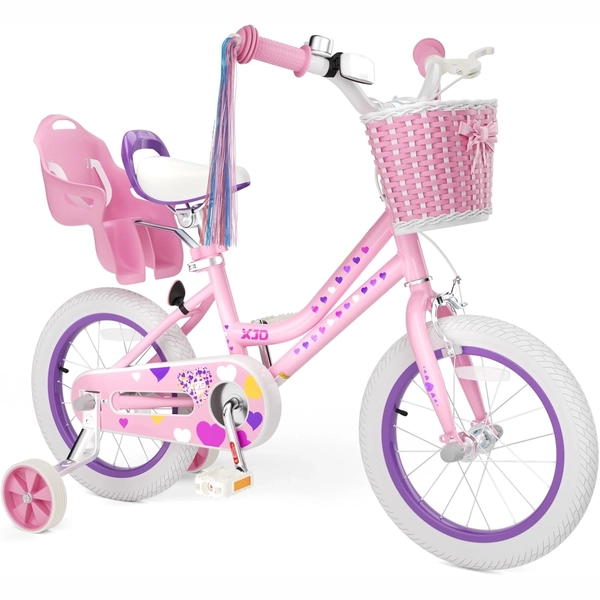
Light Pink XJD Girls' Bicycle with Basket & Training Wheels
The Light Pink XJD Girls' Bicycle with Basket & Training Wheels is a retro-style…
Training Wheel Bikes Wheel Size 12 Inch / 14 Inch / 16 Inch / 20 Inch Recommended Height 86–152 cm Training Wheels Yes Geared 14 Inch -
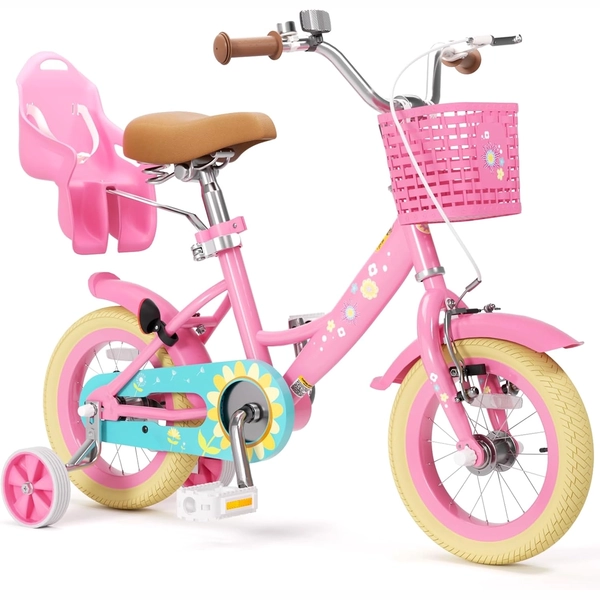
Flower Pink XJD Girls Bike with Doll Seat & Basket
The XJD Flower Pink girls' bike is made for riders 71–122 cm tall (roughly ages …
Training Wheel Bikes Wheel Size 12 Inch / 14 Inch / 16 Inch Recommended Height 86–122 cm Training Wheels Yes Geared 12 Inch -
Save 16%
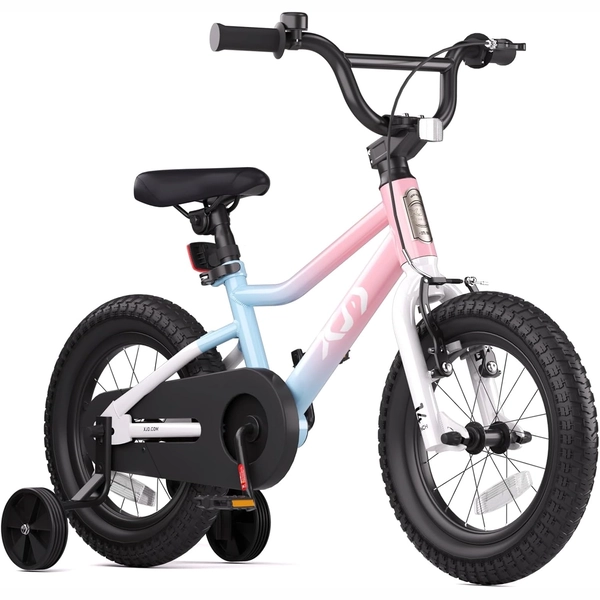
XJD Girls BMX Bike 12/14/16 Inch with Training Wheels – Pink Blue
The XJD Girls BMX Bike in Pink/Blue is built as a first pedal bike for kids roug…
Kids' BMX Bikes Wheel Size 12 Inch / 14 Inch / 16 Inch Recommended Height 86–122 cm Training Wheels Yes Single Speed 12 Inch -
Save 5%
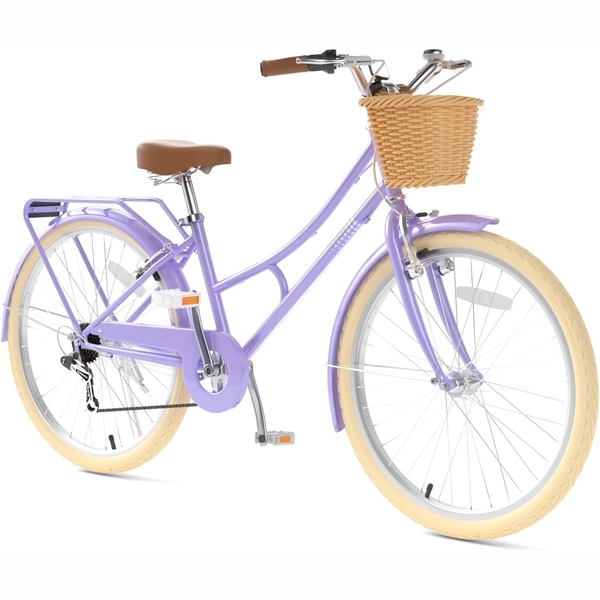
26-Inch XJD Beach Cruiser Bike for Girls – Purple, V-Brake
This XJD 26-inch purple beach cruiser is sized for big kids and teens — suggeste…
Beach Cruiser Bikes Wheel Size 20 Inch / 24 Inch / 26 Inch Recommended Height 122–200 cm Training Wheels No Geared Purple / 26 Inch