When can a kid ride a bike without training wheels
Most children can ride without training wheels when they can balance, steer, start, stop and brake with control—not when they reach a particular age.
Look for readiness, not a birthday
A child is ready to try two wheels when they can keep the bicycle upright while moving, look ahead while steering, and stop where intended without panic. Confidence matters too: willingness to practise is more useful than pressure to remove the wheels on a schedule.
Before the first attempt, check whether the child can coast with both feet briefly off the ground, make gentle turns in both directions, start with little assistance, and operate the brakes comfortably. If several of these skills are missing, keep practising rather than treating a wobble or fall as failure.
Measure the bicycle fit first
Measure the child's height and inseam without shoes, then have them try the actual bicycle. Height provides a starting point; inseam, stand-over clearance, reach, brake control and current confidence determine whether that particular bike works.
| Wheel size | XBikes starting age | XBikes starting height |
|---|---|---|
| 12 Inch | 3–4 | 34–40 in / 86–102 cm |
| 14 Inch | 3–6 | 37–45 in / 94–114 cm |
| 16 Inch | 4–7 | 40–48 in / 102–122 cm |
| 18 Inch | 5–9 | 43–52 in / 109–132 cm |
| 20 Inch | 7–12 | 48–60 in / 122–152 cm |
| 24 Inch | 10–14 | 54–64 in / 137–163 cm |
| 26 Inch | Youth and adults | Over 60 in / 153 cm |
These ranges are comparison points, not permission to skip a fit check. Do not buy an oversized bicycle for growth. The rider should be able to stand over it appropriately, reach the controls without stretching, turn the handlebar comfortably and use the brakes reliably.
Compare the supplied training-wheel options
The Purple XJD Girls' Bike with Doll Seat & Basket is offered with 12 Inch, 14 Inch and 16 Inch SKU labels. Those three choices help a parent compare the child's measured height with adjacent XBikes starting ranges while considering whether training wheels are still useful during practice. The catalog facts do not establish fit, readiness or brake reach, so the child must try the selected size.
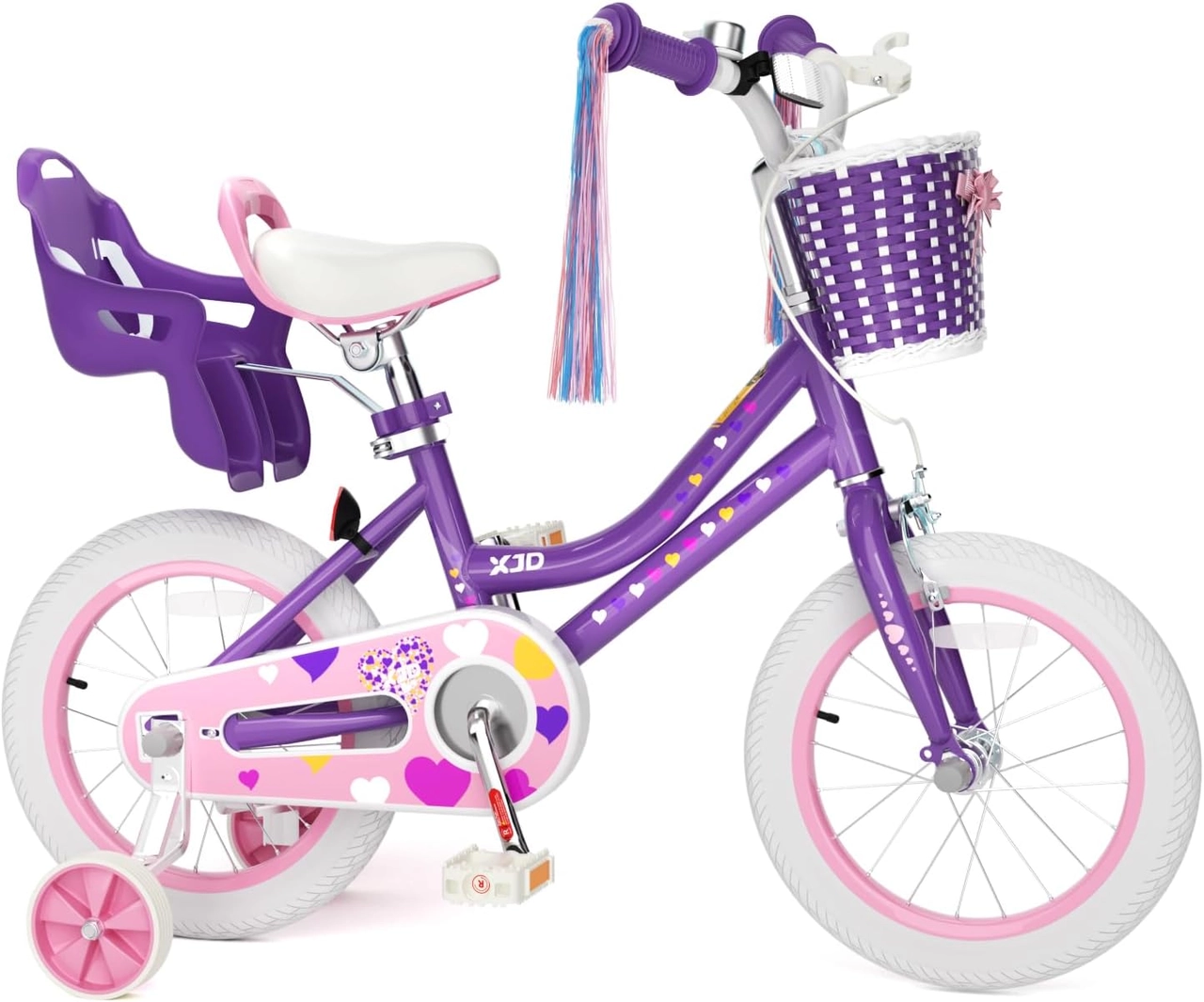
Use the 12 Inch option as a starting comparison for riders 34–40 in / 86–102 cm, the 14 Inch option for 37–45 in / 94–114 cm, and the 16 Inch option for 40–48 in / 102–122 cm. Overlapping ranges make individual fit especially important; age alone should not decide between them.
Run a controlled two-wheel check
- Choose a flat, open area away from traffic, obstacles and steep slopes.
- Fit a bicycle helmet so it sits level, fits properly and uses its straps according to the helmet manufacturer's instructions.
- Confirm that the rider can mount, reach the handlebar and brakes, and place their feet down confidently.
- Let the child practise short coasts, looking forward rather than down.
- Progress to starts, straight riding, broad turns and planned stops. Stay close enough to assist without pulling the bicycle off balance.
One successful glide is encouraging, but consistent control is the better threshold. Try several starts and stops. If the child repeatedly tips immediately, cannot steer while looking ahead, cannot brake predictably or becomes frightened, pause and return to balance practice.
When training wheels are still relevant
Training wheels can remain relevant when the child fits one of the available bicycle sizes but cannot yet support a start, balance through a short ride or stop with control. They are not evidence that an ill-fitting bicycle is acceptable, and they should not be used to make an oversized bike seem manageable.
They may no longer be useful when the rider consistently balances while coasting, steers without leaning on the supports, starts with minimal help and stops deliberately. For adjustment, removal, assembly, compatibility, load limits or torque instructions, follow the exact product manual or use a qualified bicycle mechanic; those details are not provided in the catalog facts.
Make the decision
Remove the training wheels only after the child fits the bicycle and repeatedly demonstrates balance, steering, starting and braking control in a low-risk practice area. If fit or control is uncertain, measure again, try the actual bike and continue supported practice before the next two-wheel attempt.
Recommended products
-
Save 11%
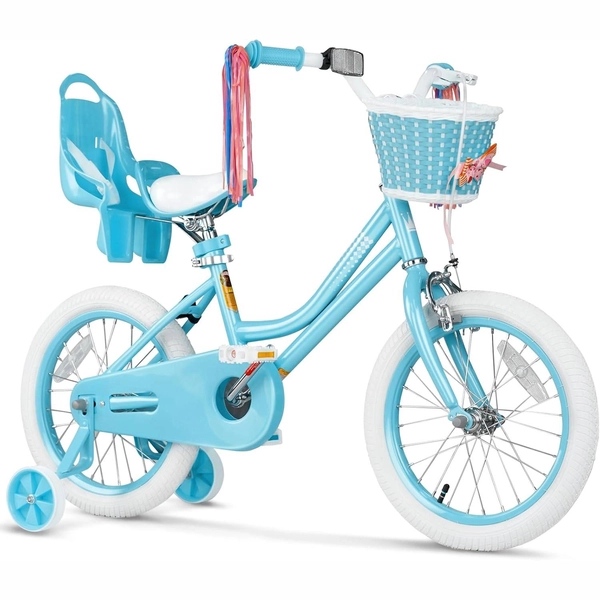
Blue XJD Girls Bike with Training Wheels – 12/14/16 Inch
If you're shopping for a first pedal bike for a daughter roughly 3 to 8 years ol…
Training Wheel Bikes Wheel Size 12 Inch / 14 Inch / 16 Inch Recommended Height 86–122 cm Training Wheels Yes 16 Inch -
Save 12%
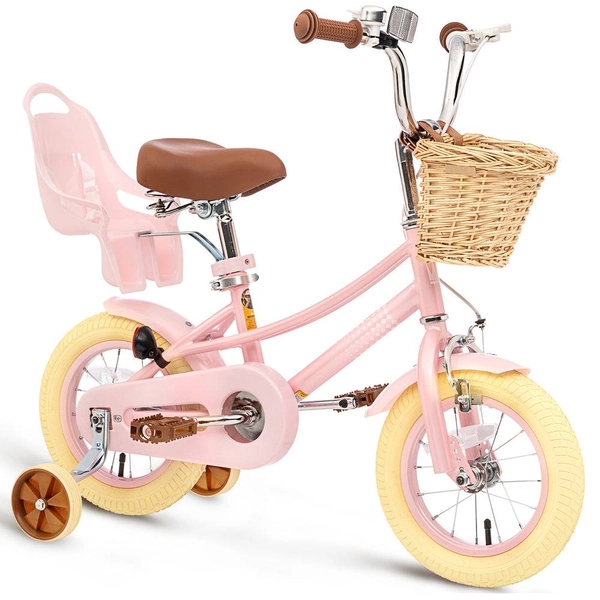
XJD Kids Bike for Girls – Pink, 12/14/16/20 Inch with Training Wheels
The XJD Kids Bike for Girls in Pink is a training-wheel bike built to carry your…
Training Wheel Bikes Wheel Size 12 Inch / 14 Inch / 16 Inch / 20 Inch Recommended Height 86–152 cm Training Wheels Yes 12 Inch -
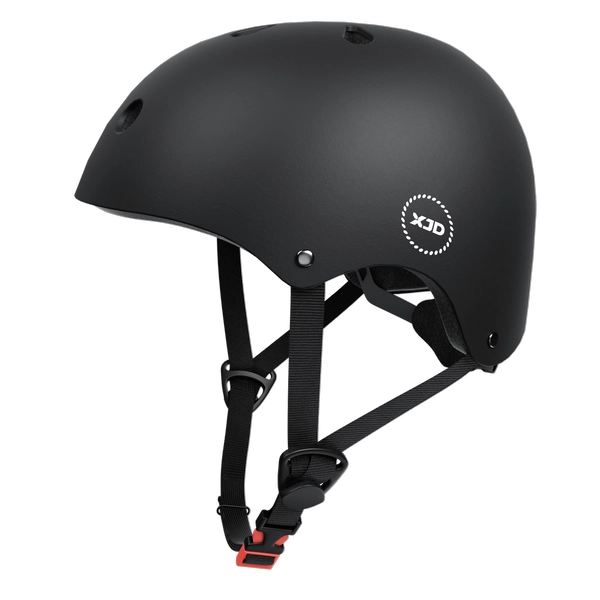
7-in-1 Kids Helmet & Protective Gear Set from XJD – Black or Blue
If you're outfitting one kid (or a couple of siblings) for biking, scootering, o…
Bike Helmets Black / L:21.65"-22.83" / 55-58 cm -
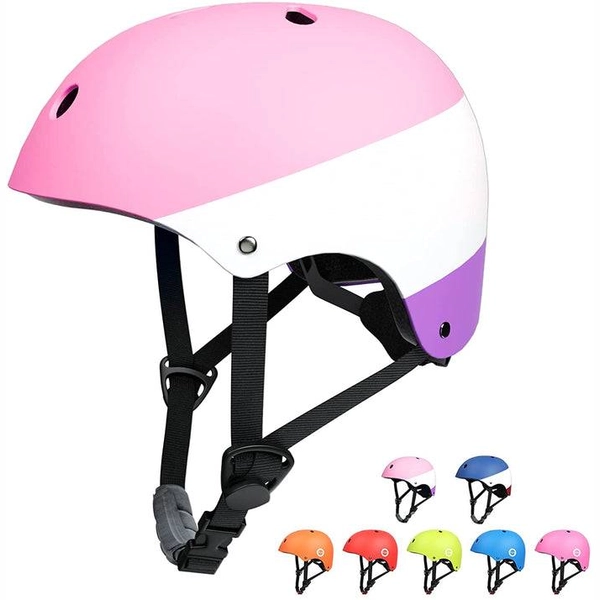
XJD Kids Bike Helmet for Boys & Girls, B White / Pink White
The XJD Kids Bike Helmet covers a wide age range — suggested for ages 2 through …
Bike Helmets Out of stock B White / L:21.65"-22.83" / 55-58 cm