When does a kid ride a bike without training wheels
Most children ride without training wheels when they can balance, steer, brake and start confidently—not at a fixed age. Measure fit and watch those skills before removing the wheels.
Readiness matters more than a birthday
A child is ready to try two wheels when they can keep the bicycle upright with little support, look ahead while steering, stop on command and place a foot down without panic. Age can suggest a starting wheel size, but it cannot establish readiness.
Confidence also matters. Reluctance does not mean failure, and removing the training wheels should not be a surprise. Let the child know that they can return to a supported practice step if frustration replaces useful learning.
Measure the bicycle-child match first
Measure the child’s standing height and inseam without shoes. Then have the child try the actual bicycle. They should have practical stand-over clearance, reach the handlebar without stretching, turn it comfortably and operate the brakes with control. The American Academy of Pediatrics advises against buying an oversized bicycle merely for future growth.
Use these XBikes ranges only to identify sizes worth trying:
| Wheel size | Starting age | Rider height |
|---|---|---|
| 12 Inch | 3–4 | 34–40 in / 86–102 cm |
| 14 Inch | 3–6 | 37–45 in / 94–114 cm |
| 16 Inch | 4–7 | 40–48 in / 102–122 cm |
| 18 Inch | 5–9 | 43–52 in / 109–132 cm |
| 20 Inch | 7–12 | 48–60 in / 122–152 cm |
| 24 Inch | 10–14 | 54–64 in / 137–163 cm |
| 26 Inch | Youth and adults over 60 in | Over 60 in / 153 cm |
Overlapping ranges are intentional starting points, not proof that either size fits. Prioritize measured height, inseam, reach, brake control and present confidence. If the child cannot control the bicycle while standing still, changing the training wheels will not correct a poor fit.
Use a simple readiness check
- Balance: Can the child coast briefly and stay centered rather than leaning continuously onto a training wheel?
- Steering: Can they follow a broad path, look toward the destination and make controlled turns?
- Braking: Can they reach and use the bicycle’s braking controls reliably, then put a foot down?
- Starting: Can they begin moving with only light assistance?
- Composure: After a wobble, can they reset and try again without becoming overwhelmed?
If several answers are no, keep practicing the missing skill. If they are consistently yes, a supervised trial without training wheels is reasonable.
Make the first unsupported practice useful
Choose a flat, open area away from traffic, obstacles and steep slopes. Use short sessions. Begin with balance and controlled stops, then practice starts and gentle turns. An adult may steady the child rather than pulling or pushing unpredictably.
A bicycle helmet is essential. U.S. Consumer Product Safety Commission guidance says it must fit properly, sit level and have its straps adjusted according to the helmet manufacturer’s instructions. Also check the bicycle before each session. For training-wheel removal, assembly, maintenance, compatibility or torque instructions, follow the exact product manual or ask a qualified bicycle mechanic.
How the supplied training-wheel bikes compare
The Pink 12/14/16/20" XJD Girls Bike with Training Wheels & Basket and the Light Pink XJD Girls' Bicycle with Basket & Training Wheels are relevant because both include training wheels and offer the same four labeled wheel choices: 12 Inch, 14 Inch, 16 Inch and 20 Inch. They let a parent compare supported-bike options at the child’s measured starting size; the supplied facts do not establish differences in fit geometry, brakes or adjustability.
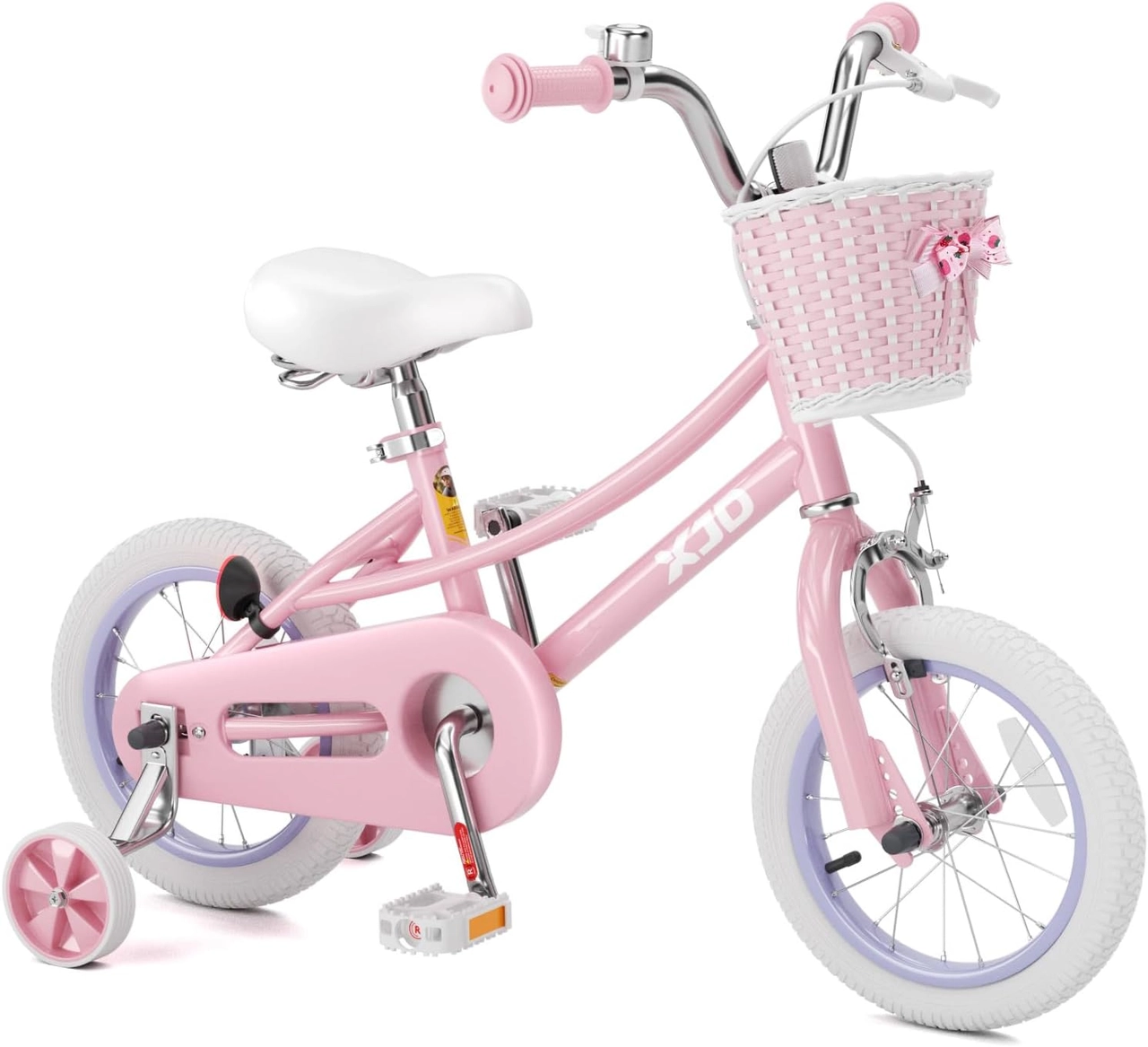 Pink 12/14/16/20" XJD Girls Bike with Training Wheels & Basket
Relevant as a supported-learning option with training wheels and 12 Inch, 14 Inch, 16 Inch and 20 Inch labels; actual fit still requires measuring and an individual bicycle check.
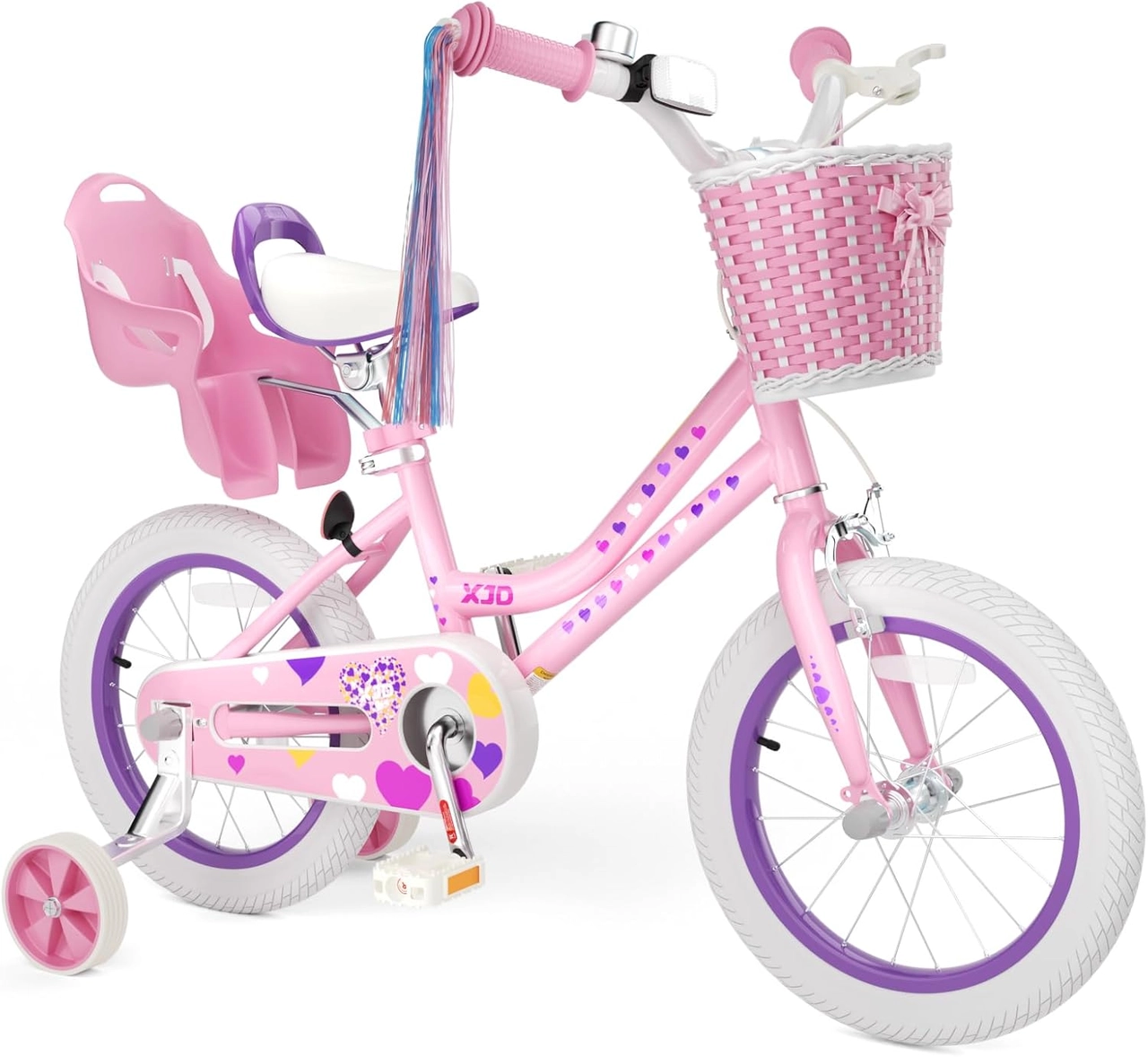 Light Pink XJD Girls' Bicycle with Basket & Training Wheels
Offers training wheels plus 12 Inch, 14 Inch, 16 Inch and 20 Inch choices, making it useful for size comparison after measuring the rider, not as proof of readiness.
Compare the child’s height with the table, then try the corresponding available size and verify inseam clearance, reach, brake operation and confidence. Neither product offers a supplied 18 Inch, 24 Inch or 26 Inch option, so these models are not equal-size substitutes when one of those sizes fits. They may only serve as nearby catalog comparison points.
Decide whether to remove the wheels now
Remove the training wheels when the bicycle fits and the child repeatedly demonstrates balance, steering, braking, starting and calm recovery. Keep them temporarily when they still depend on them for balance, cannot stop reliably or feel pressured. If fit is wrong, select and try the proper size before continuing. The next decision is therefore concrete: measure the rider, test control on the actual bicycle, and schedule an unsupported practice only when both fit and skills say yes.
Recommended products
-
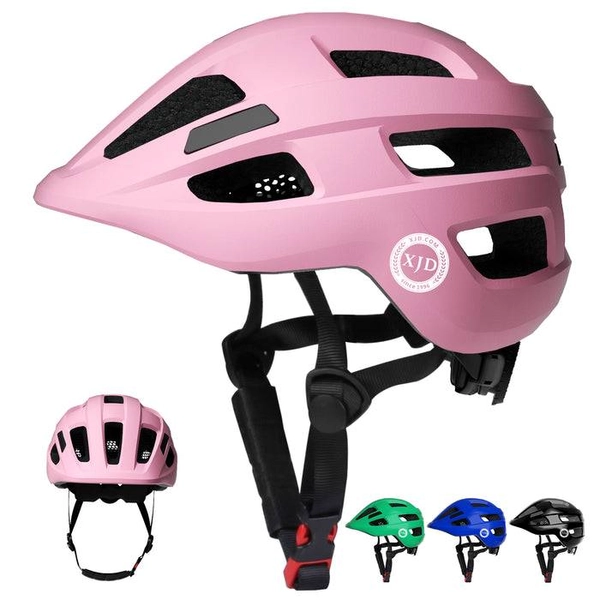
Kids Bike Helmet by XJD for Boys & Girls – Black, Blue, Green, Pink, Purple
The XJD Kids Bike Helmet covers a wide 2-to-8-year age range thanks to two head-…
Bike Helmets Pink / M:20.47"-22.05" / 52-56 cm -
Save 5%
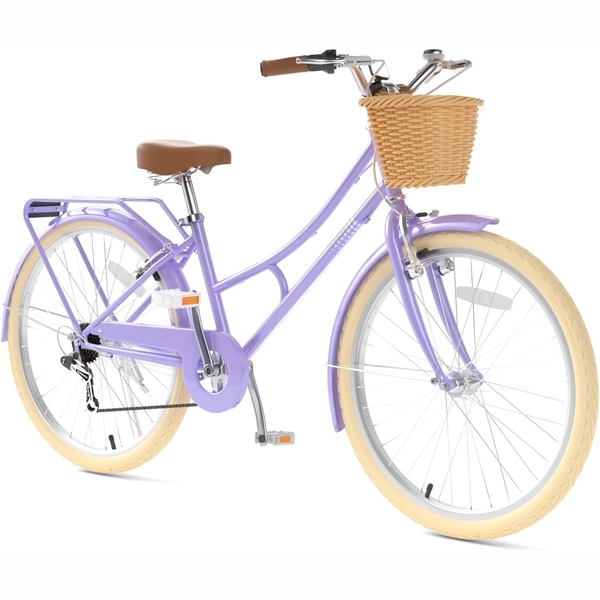
26-Inch XJD Beach Cruiser Bike for Girls – Purple, V-Brake
This XJD 26-inch purple beach cruiser is sized for big kids and teens — suggeste…
Beach Cruiser Bikes Wheel Size 20 Inch / 24 Inch / 26 Inch Recommended Height 122–200 cm Training Wheels No Geared Purple / 26 Inch -
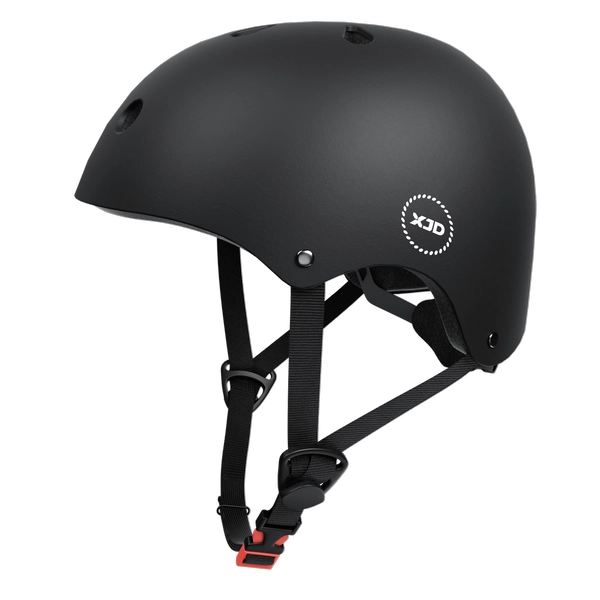
7-in-1 Kids Helmet & Protective Gear Set from XJD – Black or Blue
If you're outfitting one kid (or a couple of siblings) for biking, scootering, o…
Bike Helmets Black / L:21.65"-22.83" / 55-58 cm -
Save 12%
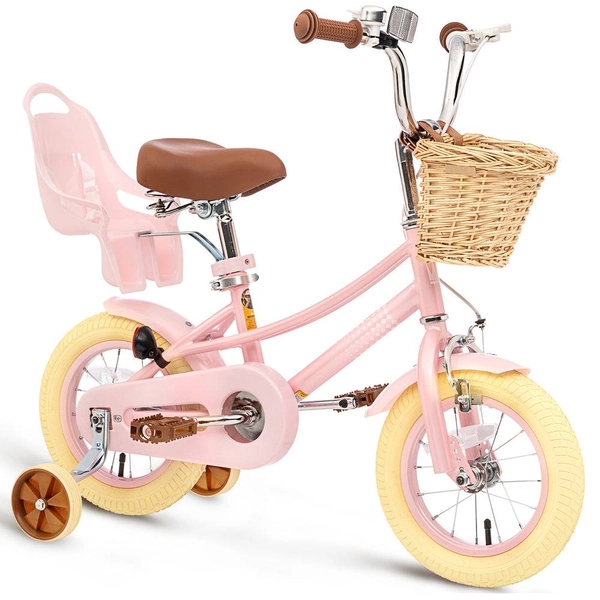
XJD Kids Bike for Girls – Pink, 12/14/16/20 Inch with Training Wheels
The XJD Kids Bike for Girls in Pink is a training-wheel bike built to carry your…
Training Wheel Bikes Wheel Size 12 Inch / 14 Inch / 16 Inch / 20 Inch Recommended Height 86–152 cm Training Wheels Yes 12 Inch