

What size bike for 8yr old boy
Choosing a bike for an 8-year-old boy usually means balancing a child's growing body with a rapidly changing riding style. Many riders in this group compare 20-inch and 24-inch bikes, but age alone cannot decide between them. Height, inseam, reach, braking ability, confidence, and the places the child will ride should guide the shortlist.
Start with the likely size range
Measure barefoot height and inseam, then use the manufacturer's chart to identify which wheel sizes deserve a real test. A shorter or newer rider may be more comfortable on 20 inches. A taller child or a confident rider may fit 24 inches, especially for longer paths. The same wheel label can feel different across a BMX frame, a cruiser, and a general youth bike, so compare geometry rather than relying on the label.
Watch what happens in motion
Have the rider mount independently and check for a relaxed reach. The frame should provide comfortable stand-over clearance, the saddle should not be at an unsafe limit, and the brake levers should be reachable with small hands. On a quiet, flat surface, watch a slow straight line, a wide turn, a stop using both brakes, and a dismount. Those four actions show whether the bike is truly manageable.
- Choose the wheel size that supports current control.
- Consider weight because a child must move and stop the bike.
- Match cruiser or BMX handling to the planned riding style.
- Do not purchase a much larger frame only for future growth.
Why these XBikes products are different choices
The product cards include a 24-inch cruiser, a 20-inch freestyle BMX bike, and another 24-inch cruiser. That is a useful comparison for an 8-year-old whose intended riding matters as much as height. The BMX option may suit an active rider who wants maneuverability, while a cruiser may suit relaxed paths and family outings. Confirm current wheel size, frame reach, brake arrangement, and availability on each product page.
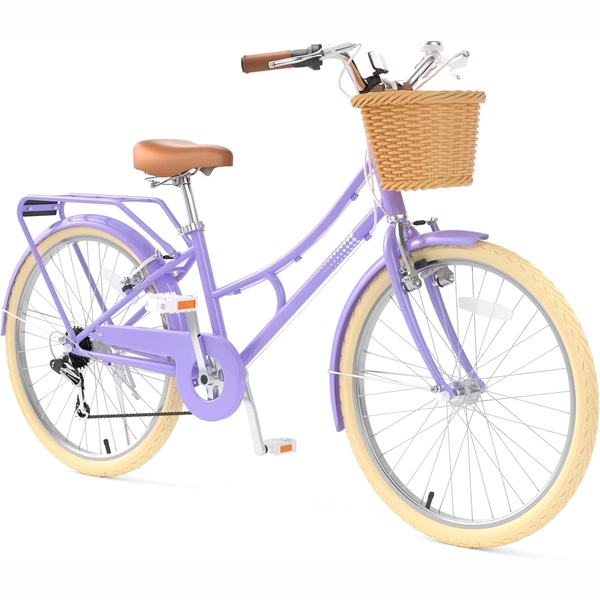 24-Inch Purple XJD Beach Cruiser Bike with U-Brake
Why it fits: The cruiser format is a practical comparison for relaxed family riding; use the listed wheel size and frame fit to confirm it suits the rider.
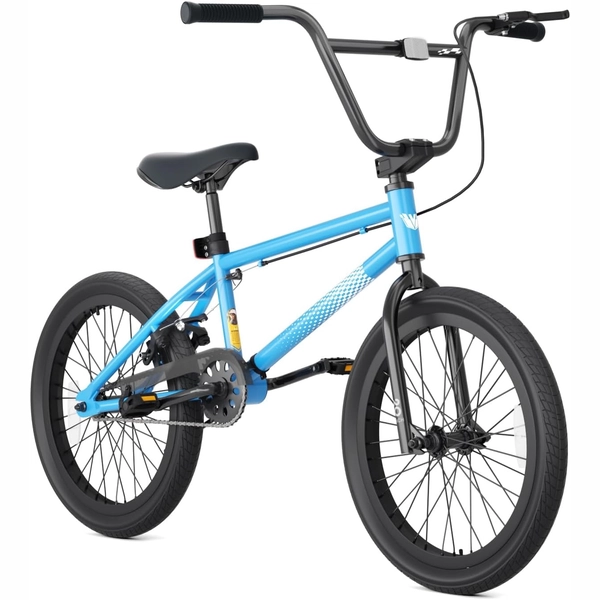 Blue XJD Freestyle BMX Bike, 20-Inch – No Pegs
Why it fits: Its BMX-oriented design matches children who want a more active, maneuverable riding style; confirm wheel size and reach before purchase.
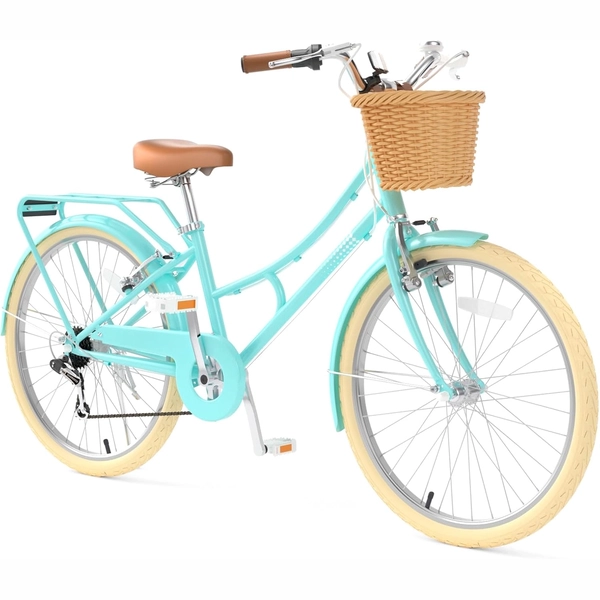 XJD 24-Inch Green Beach Cruiser Bike with U-Brake
Why it fits: The cruiser format is a practical comparison for relaxed family riding; use the listed wheel size and frame fit to confirm it suits the rider.
Fit beats the age chart
If a rider is between sizes, choose the model with better reach and braking control rather than the one that appears more advanced. A bike that is too large can make starts and stops intimidating, and the child may ride less often. Some adjustment range is helpful, but it should preserve a natural position throughout the current season.
Helmet and maintenance habits
Before riding, inspect tire condition, pressure, wheels, pedals, chain, fasteners, and brakes. A helmet should sit level over the forehead, stay stable when the rider shakes their head, and have a snug chin strap. Practice in a controlled area before adding traffic, slopes, or longer routes, and supervise until the child's braking decisions are dependable.
FAQ
Can an 8-year-old ride a 24-inch bike?
Some can, especially taller or experienced riders. The actual frame must still pass the reach, clearance, and brake tests.
Is a BMX bike better than a cruiser?
Neither is universally better. Choose the handling and posture that match the rider's route and interests.
Source note: Fit principles are summarized from HealthyChildren.org; helmet requirements are based on CPSC guidance.
Bikes for your next adventure
-

Black XJD Kids Bike for Boys – 12, 14 & 16 Inch Sizes
For a son between roughly 3 and 8 years old, the XJD Kids Bike in Black covers t…$169
$199 -

Light Purple XJD Toddler Bike Helmet, Adjustable, Size XS (46–51 cm)
This Light Purple XJD toddler bike helmet is made for the smallest riders — the …$20.39
-

Black XJD Toddler Bike Helmet, Adjustable – Kids' Protective Helmet
The XJD Toddler Bike Helmet in black is an adjustable protective helmet for kids…$20.39