

What size bike for a 9 year old boy
For a 9-year-old boy, choosing a bicycle is often a choice between a versatile youth bike and a bike built around a specific riding style. Many riders are comparing 20- and 24-inch wheels, but age cannot settle the question. Height, inseam, frame reach, brake access and confidence on hills or turns should come first. The right bike lets a nine-year-old start, steer and stop without adult rescue.
Begin with the rider’s next skill
Ask what the child actually wants to do. Family paths and neighborhood cruising call for predictable handling and a position that stays comfortable. A rider interested in quick turns or BMX practice may value a compact, responsive bike. A longer route may make wheel rollover and an efficient position more important. This purpose-based conversation prevents a family from buying a bike solely because the wheel number sounds advanced.
Fit the frame, not only the wheel
Measure height and inseam barefoot, then compare the manufacturer’s rider range. Check stand-over clearance, saddle adjustment and the distance to the handlebar. The rider should reach the grips with relaxed shoulders and should be able to operate both brake levers with normal finger pressure. Ask for a low-speed stop and a dismount. If the child leans heavily, cannot reach the brake, or hesitates to put a foot down, the frame is too large even if the age range appears correct.
What changes from 20 to 24 inches?
A 20-inch bike may feel easier to turn and control, particularly for a smaller or more active rider. A 24-inch bike can offer a taller position and smoother rollover for a long-legged rider, but it adds reach and stand-over height. Neither is universally better. Test the actual frame because two bikes with the same wheel size can have very different cockpit dimensions and brake-lever positions.
Three product roles in the XBikes card
The purple 24-inch beach cruiser is the clearest comparison for a relaxed, upright family ride; inspect whether its frame and U-brake reach suit the rider. The blue 20-inch freestyle BMX is the focused choice for a child who wants maneuverability and active practice, but it should not be upsized without checking control. The green 24-inch cruiser allows a second look at the cruiser format and color preference while keeping the same fit questions. Use the card to compare purposes, then verify current details on each live product page.
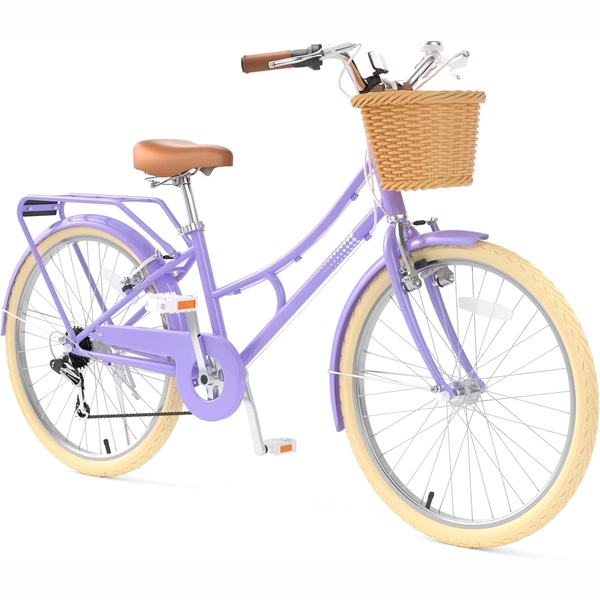 24-Inch Purple XJD Beach Cruiser Bike with U-Brake
Why it fits: The cruiser format is a practical comparison for relaxed family riding; use the listed wheel size and frame fit to confirm it suits the rider.
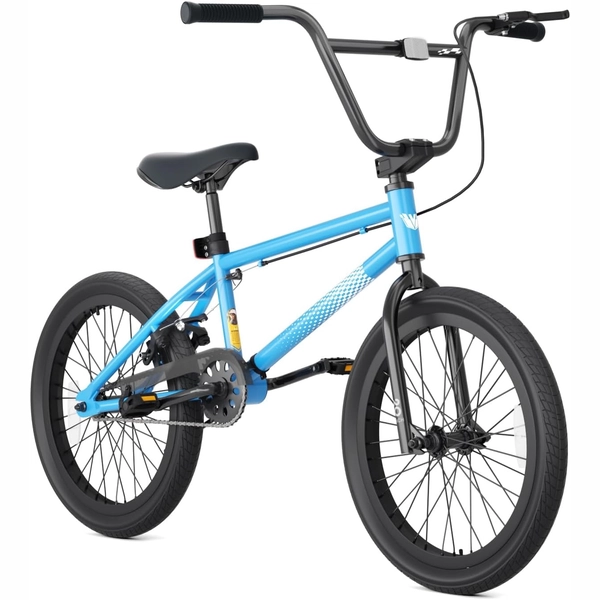 Blue XJD Freestyle BMX Bike, 20-Inch – No Pegs
Why it fits: Its BMX-oriented design matches children who want a more active, maneuverable riding style; confirm wheel size and reach before purchase.
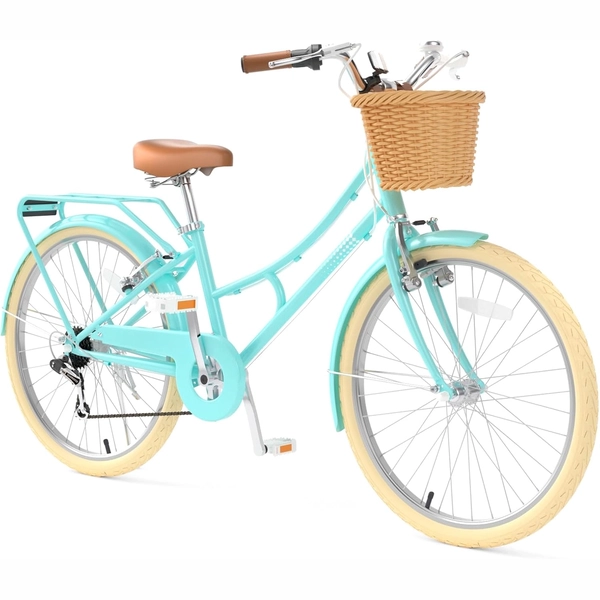 XJD 24-Inch Green Beach Cruiser Bike with U-Brake
Why it fits: The cruiser format is a practical comparison for relaxed family riding; use the listed wheel size and frame fit to confirm it suits the rider.
Make the first ride a skills check
- Ride in a straight line while looking ahead.
- Brake gently with both hands before a marked stopping point.
- Turn around a wide object without clipping it.
- Shift body position and dismount on a flat surface.
Practice at walking speed before adding hills, traffic or distance. A child who can perform these actions calmly is giving you better evidence than an age chart.
Prepare the bike and helmet
Check wheels, tires, pedals, chain, fasteners and brake response after assembly. The helmet should be level, low on the forehead, stable during movement and fastened snugly under the chin. Teach the child to stop and look for traffic before crossing driveways or roads, and use routes appropriate to their judgment. Every rider should wear protective equipment on every ride.
FAQ
Is 24 inches right for most nine-year-olds?
It is a common comparison, but not a rule. A shorter or less experienced rider may control 20 inches better; a taller rider may need more frame.
Is a BMX bike safer because it is smaller?
Not automatically. Its fit and intended handling must match the rider, and the child still needs effective brakes and a helmet.
What if the child is between sizes?
Choose the model that provides confident mounting, reachable brakes and predictable stopping. Adjustment range is preferable to an oversized cockpit.
Source note: Bicycle fit guidance is summarized from HealthyChildren.org; helmet and riding preparation are cross-checked with NHTSA and CPSC.
Bikes for your next adventure
-

Light Purple XJD Toddler Bike Helmet, Adjustable, Size XS (46–51 cm)
This Light Purple XJD toddler bike helmet is made for the smallest riders — the …$20.39
-

Pink Girls' 12/14/16" Bike by XJD – Basket & Doll Seat
The XJD Pink Girls' Bike with Basket & Doll Seat is made for riders 71–122 cm ta…$75.99
$99.99 -

Black XJD Toddler Bike Helmet, Adjustable – Kids' Protective Helmet
The XJD Toddler Bike Helmet in black is an adjustable protective helmet for kids…$20.39