

What size bike for an 8 year old boy
When parents search for a bike for an 8-year-old boy, they are usually trying to balance present control with a few years of use. The safest way to make that decision is to treat age as a starting point and inspect the rider’s measurements. Many children this age compare 20-inch and 24-inch bikes, but inseam, reach and riding experience can move the answer in either direction.
Start with a fit interview
Ask how the child rides now. Is he learning to brake, riding confidently around the block, or asking for a faster, more active style? Measure barefoot height and inseam, then note whether he can stand over the current bike and reach its controls. A child who is still mastering starts needs easy access and confidence; a practiced rider may value a larger frame, but only if it remains controllable at slow speed.
Why wheel size is only a clue
Wheel diameter affects rollover and the amount of bike the rider moves, but frame geometry determines many day-to-day sensations. Handlebar reach, saddle height, top-tube clearance and brake-lever position all matter. Have the child sit, reach, stand over the frame and squeeze the brakes. The elbows should not lock, and the rider should be able to step off without twisting the bike. If he has to stretch for the bars, the bike is too large.
Choose a riding personality
A cruiser favors relaxed family paths and an upright view. A BMX-style bicycle favors quick steering and playful handling, which may suit a child who wants to practice turns or ride a compact neighborhood route. Neither category replaces a size check. A cruiser can still be too tall, and a BMX bike can still be too small or aggressive for a beginner. Ask which bike makes the child more willing to practice controlled stops.
How to use the XBikes products
The purple 24-inch cruiser is a candidate for an upright, calm family-riding plan, and the U-brake detail is a prompt to confirm the rider can reach and use it. The blue 20-inch freestyle BMX is a distinct alternative for active handling and a rider who prefers a smaller, responsive platform. The green 24-inch cruiser gives a second cruiser listing for comparing color and the same broad riding purpose. Keep the original card intact, but use the live product pages for exact dimensions and current stock.
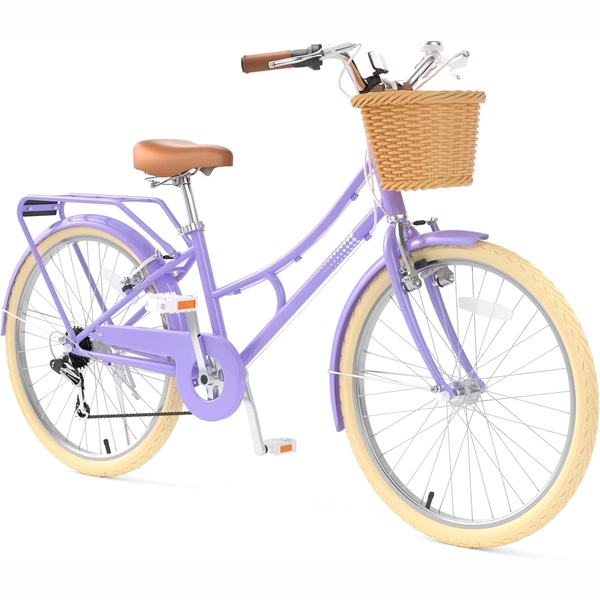 24-Inch Purple XJD Beach Cruiser Bike with U-Brake
Why it fits: The cruiser format is a practical comparison for relaxed family riding; use the listed wheel size and frame fit to confirm it suits the rider.
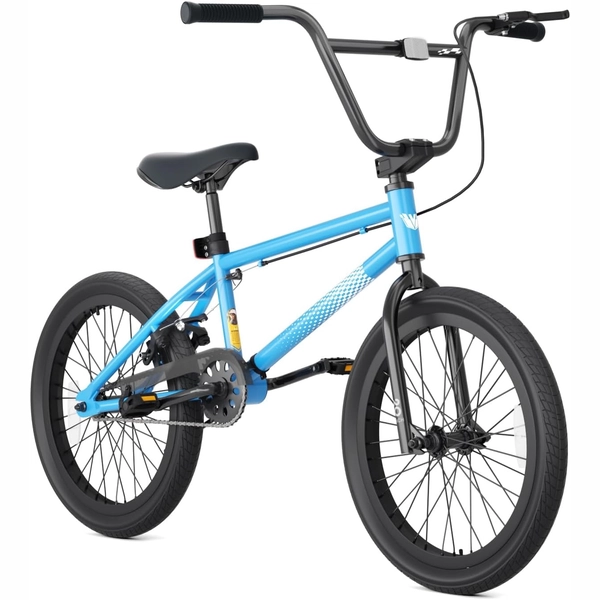 Blue XJD Freestyle BMX Bike, 20-Inch – No Pegs
Why it fits: Its BMX-oriented design matches children who want a more active, maneuverable riding style; confirm wheel size and reach before purchase.
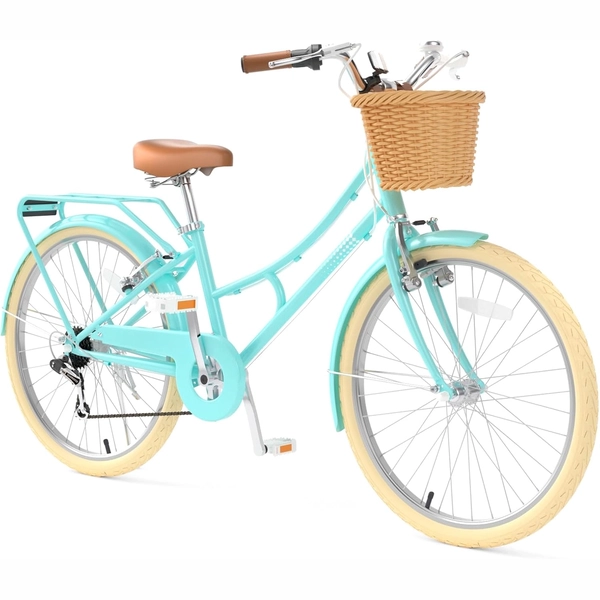 XJD 24-Inch Green Beach Cruiser Bike with U-Brake
Why it fits: The cruiser format is a practical comparison for relaxed family riding; use the listed wheel size and frame fit to confirm it suits the rider.
Signs the selected bike is ready
- The child can mount and dismount without being lifted.
- Both feet can be placed securely when the beginner setup requires it.
- Brake levers can be squeezed without moving the hands.
- The rider can roll straight, make a broad turn and stop.
- The child can move the bike safely without adult help.
These are functional tests, not performance tricks. Repeat them after assembly and after any saddle adjustment.
Safety habits for an eight-year-old
Use a helmet that meets the applicable standard, sits level and low, stays stable and has a snug chin strap. Check tires, wheels, pedals, chain and brakes before each ride. Practice route awareness in a quiet area: stop at driveways, look for traffic and ride predictably. Increase distance and complexity gradually rather than treating a new bicycle as permission to ride farther.
FAQ
Should an eight-year-old move straight to 24 inches?
Only if the actual frame fits. A smaller or newer rider may be safer and happier on 20 inches.
Is a cruiser too slow for a child?
Not necessarily. It can be a good match for relaxed family riding, while an active rider may prefer BMX handling. Purpose and fit should agree.
How much adjustment range is enough?
Enough to maintain a comfortable, controllable position as the rider grows. It should not require stretching or tiptoeing today.
Source note: Fit and helmet principles are summarized from HealthyChildren.org; road and preparation guidance is checked with NHTSA.
Bikes for your next adventure
-

Light Purple XJD Toddler Bike Helmet, Adjustable, Size XS (46–51 cm)
This Light Purple XJD toddler bike helmet is made for the smallest riders — the …$20.39
-

Black XJD Toddler Bike Helmet, Adjustable – Kids' Protective Helmet
The XJD Toddler Bike Helmet in black is an adjustable protective helmet for kids…$20.39
-

XJD Girls Bike for Kids Ages 3-8, 12/14/16 Inch with Training Wheels – Purple
The XJD Girls Bike in Purple is a training-wheel bicycle for kids ages 3 to 8, f…$149
$169