

What age do children learn to ride two wheeler bike
Children learn to ride a two-wheel bike when they can balance, steer, stop and follow directions confidently—not at one universal age. Measure the child and check the bike in person before deciding.
Age is a starting point, not the readiness test
A child is ready to learn when they are interested in riding, can listen to simple instructions and can stay calm enough to practise. Some children reach that point earlier than others. Pressure usually makes balancing harder, so willingness matters alongside physical ability.
Use age only to identify possible wheel sizes. The final choice should follow the rider’s measured height, inseam, reach, ability to operate the brakes and current confidence. Never choose an oversized bicycle merely to allow room for growth.
Measure before comparing wheel sizes
First measure the child’s height without shoes. Then measure inseam from the floor to the crotch while the child stands straight. The published height bands below narrow the search, but inseam and bicycle geometry determine whether the child can stand over and control a particular bike.
| Wheel size | Age starting point | Rider height |
|---|---|---|
| 12 Inch | Ages 3–4 | 34–40 in / 86–102 cm |
| 14 Inch | Ages 3–6 | 37–45 in / 94–114 cm |
| 16 Inch | Ages 4–7 | 40–48 in / 102–122 cm |
| 18 Inch | Ages 5–9 | 43–52 in / 109–132 cm |
| 20 Inch | Ages 7–12 | 48–60 in / 122–152 cm |
| 24 Inch | Ages 10–14 | 54–64 in / 137–163 cm |
| 26 Inch | Youth and adults | Over 60 in / 153 cm |
Overlapping ranges are intentional: two children of the same age or height may need different sizes because their proportions, reach and skill differ.
Check the actual bicycle fit
Have the child try the bicycle rather than relying on its label. A useful fit check asks whether the rider can:
- stand over the bicycle with stable footing and adequate clearance;
- sit in a controlled position without stretching or leaning excessively;
- reach the handlebar while steering freely;
- reach and operate the brakes without losing their grip;
- start, turn and stop without the bicycle feeling too large or intimidating.
If the child cannot perform these checks, compare a smaller option even when the age chart suggests the current size. If two sizes appear possible, control and confidence matter more than extra growing room.
How the supplied bicycle helps with comparison
The XJD Kids Beach Cruiser Bicycle, Rear Rack & V-Brakes, Mint Green is available in 20 Inch, 24 Inch and 26 Inch labels. These options help families compare sizes for taller or older learners: 20 Inch starts at 48–60 inches, 24 Inch at 54–64 inches and 26 Inch above 60 inches. They are not substitutes for 12, 14, 16 or 18 Inch bikes when a smaller wheel size fits the child.

The listed sizes also overlap at some heights, but that does not make them equivalent. A child within an overlap should try each relevant size and compare stand-over clearance, reach, brake control and confidence. The product title identifies a rear rack and V-brakes; consult the exact product manual or a qualified bicycle mechanic for assembly, maintenance, compatibility, load limits or procedures not stated here.
Make the first two-wheel sessions manageable
- Choose a flat, open practice area away from traffic and obstacles.
- Confirm that the bicycle fits and that its controls operate as the product manual describes.
- Let the child practise getting on, looking ahead and stopping before adding longer rides.
- Use short sessions, ending before tiredness or frustration reduces control.
- Increase distance and introduce turns only after starts and stops become consistent.
A properly fitting bicycle helmet is essential. It should fit the child, sit level and use its straps according to the helmet manufacturer’s instructions. Adult supervision and a low-distraction practice area remain important even when the child appears confident.
What to do next
Measure height and inseam today, use the table to shortlist wheel sizes, and have the child try the actual bicycle. Proceed when they can stand over it, reach the handlebar and brakes, steer and stop without strain or fear. If those checks fail, choose a smaller comparison or wait and try again—age alone is not a reason to move up.
Bikes for your next adventure
-
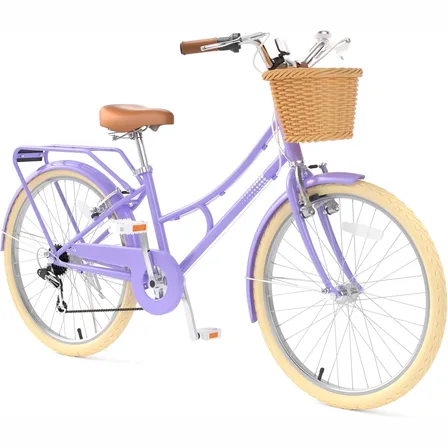
24-Inch Purple XJD Beach Cruiser Bike with U-Brake
The XJD 24-Inch Purple Beach Cruiser is built for girls and young women roughly …$159.99
-
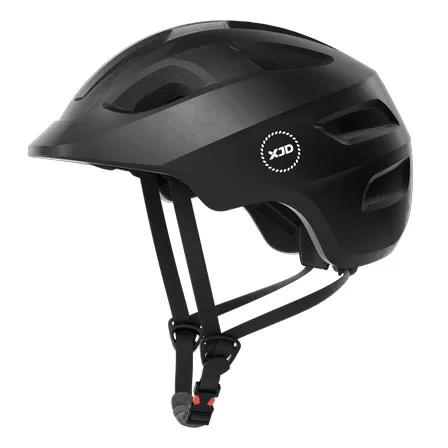
Kids Multi-Sport Bike Helmet by XJD – Black
7 reviews
The XJD Kids Multi-Sport Bike Helmet in Black is a lightweight, adjustable helme…$59.99
$49 -

Kids Bike Helmet by XJD for Boys & Girls – Black, Blue, Green, Pink, Purple
The XJD Kids Bike Helmet covers a wide 2-to-8-year age range thanks to two head-…$59.99