

When kid can ride bike
A child can ride a bike when they fit it, can balance and steer, and can reach and operate the brakes while staying in control. For XBikes pedal-bike sizing, age 3–4 is only a starting point for a 12-inch wheel; measure the child and check the actual bike before deciding.
Readiness matters more than a birthday
There is no single age when every child is ready. Look for a child who wants to try, follows simple stopping instructions, and can remain attentive in the riding area. They should be able to mount, start, steer, slow down and stop without the bicycle controlling them.
Confidence also matters. A hesitant child may need more practice even when the size looks correct. A confident child still should not move to an oversized bicycle. Extra wheel size is not a shortcut to readiness or something to buy merely for future growth.
Measure before choosing a wheel size
Measure the child’s height without shoes, standing straight against a wall. Measure inseam from the floor to the crotch using the footwear they will normally ride in. Compare height with the XBikes starting points below, then confirm stand-over space, reach and control on the actual bicycle.
| Wheel size | Age starting point | Rider height |
|---|---|---|
| 12 Inch | 3–4 | 34–40 in / 86–102 cm |
| 14 Inch | 3–6 | 37–45 in / 94–114 cm |
| 16 Inch | 4–7 | 40–48 in / 102–122 cm |
| 18 Inch | 5–9 | 43–52 in / 109–132 cm |
| 20 Inch | 7–12 | 48–60 in / 122–152 cm |
| 24 Inch | 10–14 | 54–64 in / 137–163 cm |
| 26 Inch | Youth and adults | Over 60 in / 153 cm |
Overlapping ranges are intentional: age and height narrow the search, but they do not prove fit. Inseam length, body proportions, skill and bicycle geometry can make two children of the same height need different setups.
Perform the fit and control check
Have the child try the exact bicycle rather than judging from its wheel label alone. Check these points before riding:
- Stand-over: the child can straddle the bicycle without being forced onto the frame.
- Reach: the child can hold the handlebars and steer without stretching, locking the elbows or losing a stable posture.
- Brake control: the child can reach and operate the available brakes reliably while keeping control of the handlebars.
- Starting and stopping: the child can get moving and come to a controlled stop in a clear practice area.
- Confidence: the child stays calm enough to look ahead, steer and respond to instructions.
If one of these checks fails, adjust only as permitted by the exact product manual or ask a qualified bicycle mechanic for help. Do not assume that a listed age range overrides poor reach, inadequate stand-over space or uncertain brake operation.
How the supplied XBikes options compare
These catalog options provide concrete comparison points across the 12-, 14-, 16-, 20- and 24-inch starting ranges. They help a parent match measured height to a candidate size, then identify which exact bicycle must be tried for reach, braking and confidence.
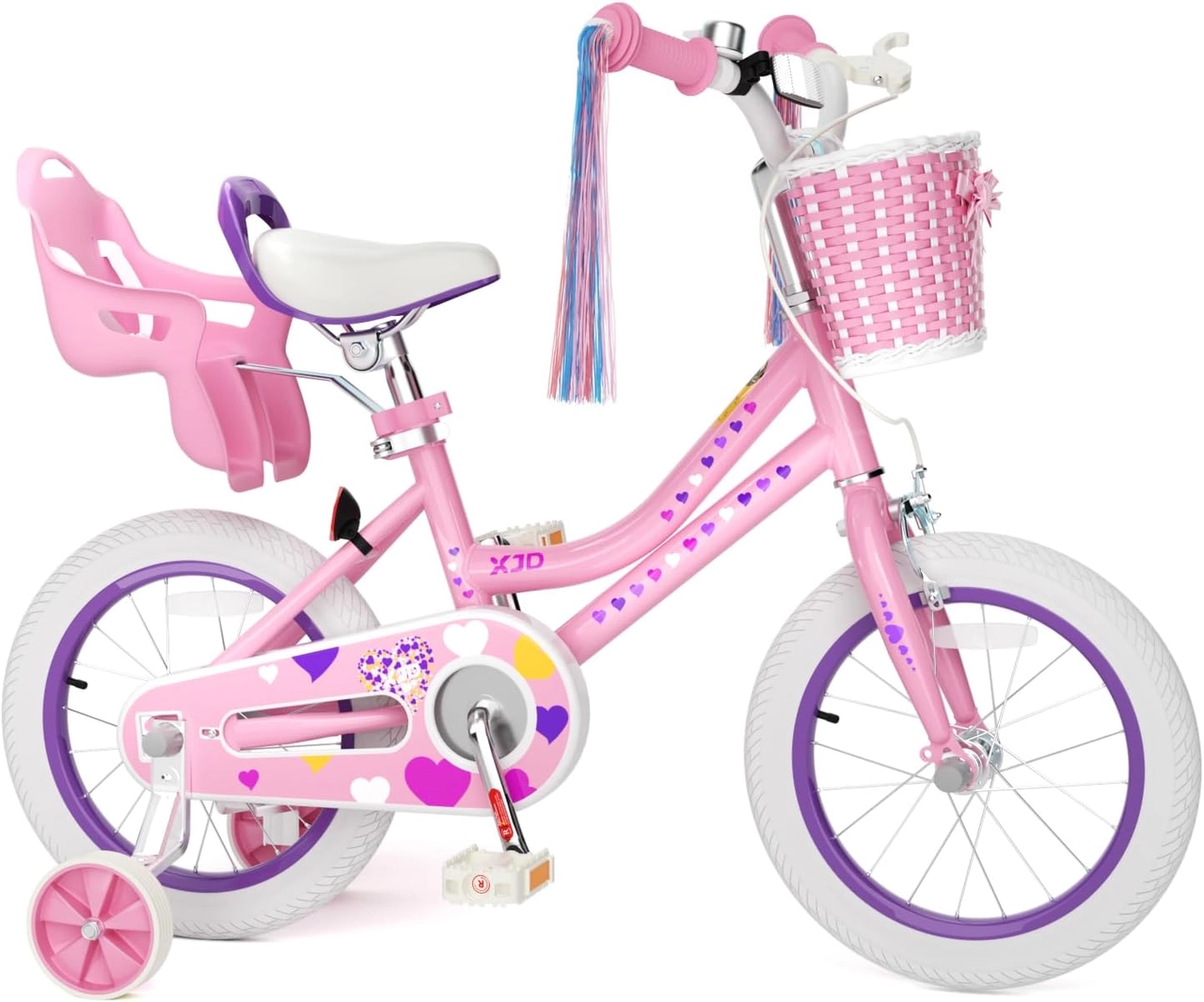 Pink Girls' 12/14/16" Bike by XJD – Basket & Doll Seat
A Training Wheel Bikes option with 12 Inch, 14 Inch and 16 Inch labels, relevant for comparing measured riders across the supplied 34–48 inch starting-height ranges before an individual fit check.
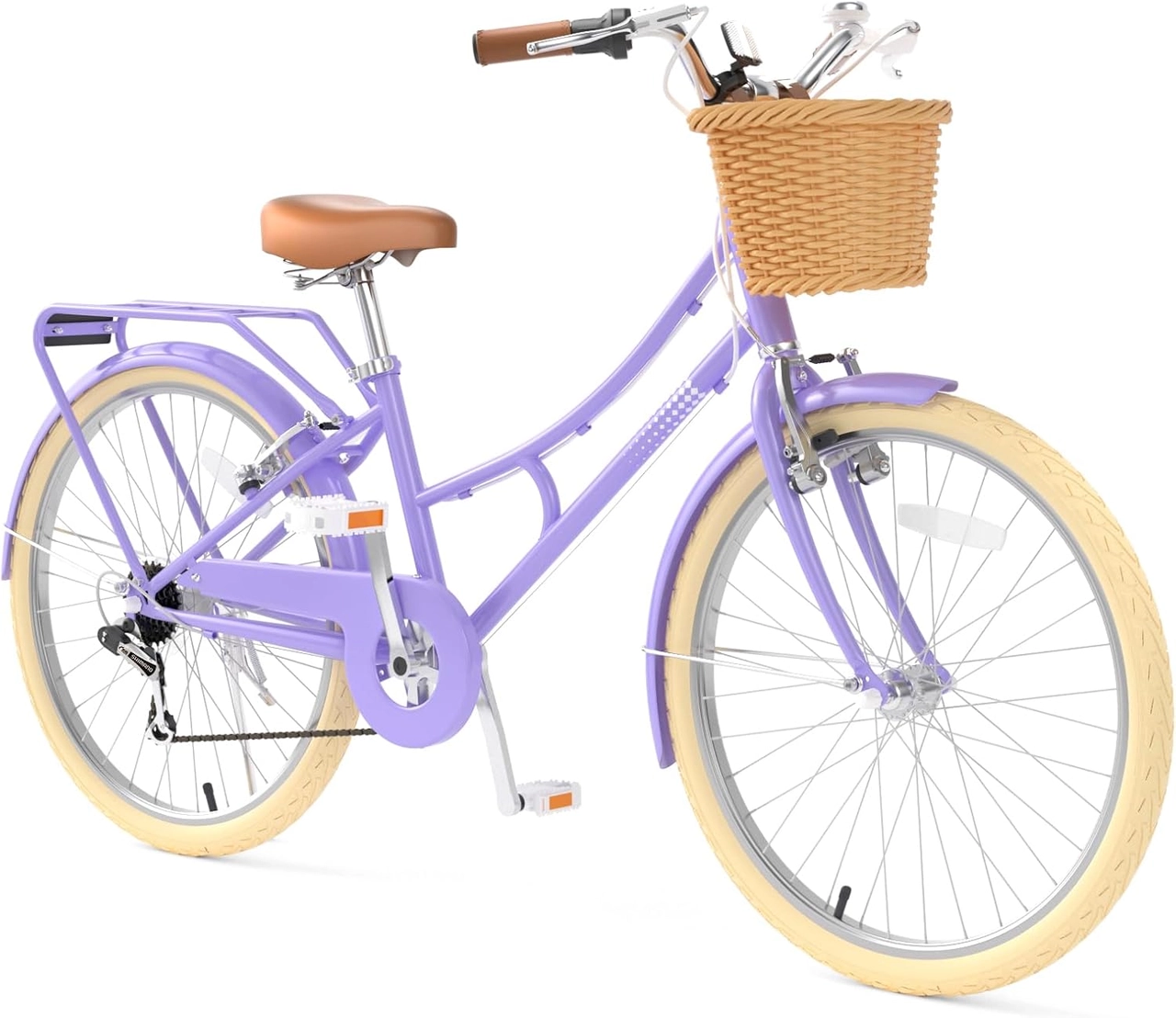 24-Inch Purple XJD Beach Cruiser Bike with U-Brake
A 24-inch Beach Cruiser Bikes comparison point for riders in the supplied 54–64 inch starting-height range. The child must still demonstrate suitable stand-over, reach, brake control and confidence.
 Blue XJD Freestyle BMX Bike, 20-Inch – No Pegs
A 20-inch Kids' BMX Bikes option relevant to the supplied 48–60 inch starting-height range. It should be tried for individual reach, stand-over and control rather than selected by age alone.
Pink Girls' 12/14/16" Bike by XJD – Basket & Doll Seat is listed in Training Wheel Bikes and offers 12 Inch, 14 Inch and 16 Inch labels. Those choices cover XBikes starting heights from 34 inches through 48 inches, depending on size. Select by the child’s measured height first, not by appearance or age alone.
Blue XJD Freestyle BMX Bike, 20-Inch – No Pegs is listed in Kids' BMX Bikes. Its 20-inch size is a starting point for ages 7–12 and heights 48–60 inches. It is relevant only when the rider falls near that height range and passes the individual fit check; it is not equivalent to a smaller learning bike.
24-Inch Purple XJD Beach Cruiser Bike with U-Brake is listed in Beach Cruiser Bikes. Its 24-inch size starts at ages 10–14 and heights 54–64 inches. Compare it only for a taller rider who can manage its actual stand-over, reach and brake operation. The age range alone does not establish suitability.
Prepare a safe first practice session
Use a properly fitting bicycle helmet. It should sit level, and its straps should be adjusted according to the helmet manufacturer’s instructions. Choose a flat, open area away from traffic and obstacles, and provide close adult supervision.
Before each session, follow the bicycle’s exact manual for assembly and maintenance checks. If the instructions are missing, unclear or the bicycle does not operate as expected, use a qualified bicycle mechanic. Do not guess about compatibility, adjustment limits, load limits or torque.
Make the decision
Measure height and inseam now, shortlist the matching wheel range, and have the child try that exact bicycle. Proceed only when stand-over, reach, brake control and confidence all work together; otherwise choose another size or pause and practice before the child rides.
Bikes for your next adventure
-

Blue XJD Girls Bike with Training Wheels – 12/14/16 Inch
If you're shopping for a first pedal bike for a daughter roughly 3 to 8 years ol…$149
$169 -

XJD Kids Bike for Girls – Pink, 12/14/16/20 Inch with Training Wheels
The XJD Kids Bike for Girls in Pink is a training-wheel bike built to carry your…$139
$159 -
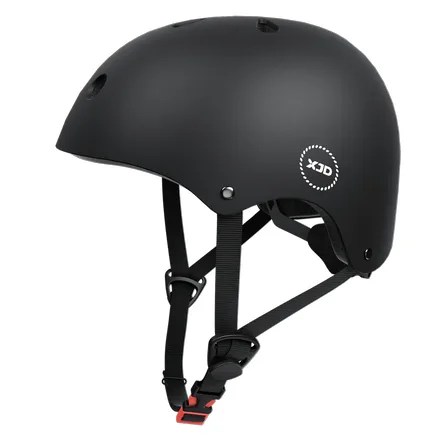
7-in-1 Kids Helmet & Protective Gear Set from XJD – Black or Blue
If you're outfitting one kid (or a couple of siblings) for biking, scootering, o…$59.99